
Congo cockatoo
Impatiens niamniamensis Gilg emend. G.M. Schulze
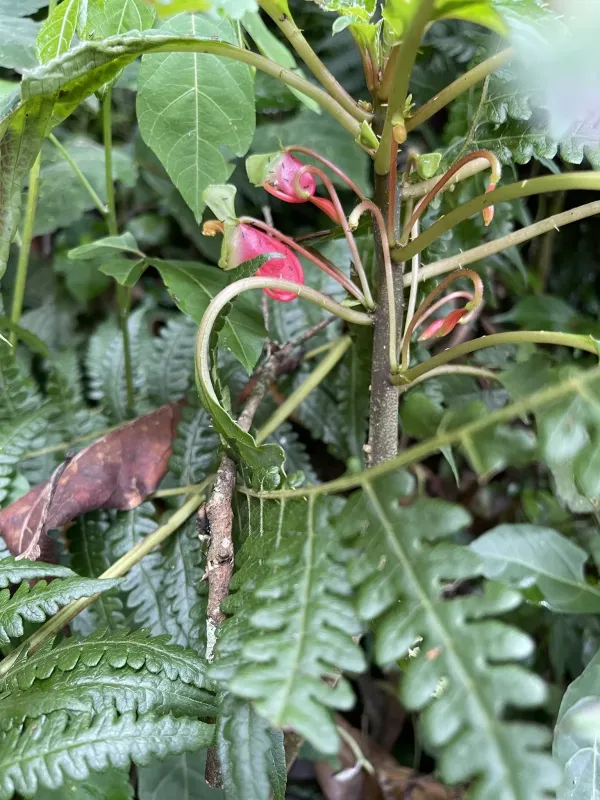
Description
Sowing dates
Congo cockatoo (Impatiens niamniamensis) is an ornamental plant belonging to the Balsaminaceae family. Cultivation is carried out primarily via seeds or stem cuttings to ensure the preservation of varietal characteristics.
Seed sowing is performed in late winter or early spring using a lightweight, peat-based substrate. Seeds are surface-sown and pressed lightly, as they require light to initiate the germination process.
A consistent temperature of 22–24 degrees Celsius is required for uniform emergence. Containers must be covered to maintain high humidity levels, which are essential for the sensitive seedlings.
Propagation through stem cuttings is highly efficient for this species. Apical cuttings root readily in water or a moist perlite mixture within two to three weeks under warm conditions.
Young plants should be transplanted into individual pots once they develop two sets of true leaves. Frequent pinching of the growing tips helps in developing a denser, bushier plant structure.
Growing requirements
Native to tropical Africa, this plant thrives in warm, stable climates. It lacks cold hardiness and should be protected from temperatures dropping below 15 degrees Celsius.
Bright, filtered light is the optimal environment for healthy growth. Direct sun exposure, particularly in the summer, can cause foliar scorching and leaf drop in this tropical species.
The soil must be fertile, well-draining, and rich in organic matter. A balanced mix of peat, compost, and coarse sand provides the aeration necessary for a robust root system.
Watering should be consistent, keeping the soil moist but never waterlogged. Always check that the drainage holes are clear to prevent the accumulation of excess water in the root zone.
Maintaining high relative humidity is crucial for the vitality of the plant. Misting or using a humidifier significantly improves plant performance in indoor settings with low ambient moisture.
Main diseases and pests
Spider mites are the primary pest affecting Congo cockatoo, especially in dry environments. They infest the undersides of leaves, causing yellowing and webbing across the foliage.
Whiteflies can also colonize the plants, leading to weakened growth and the potential spread of viral pathogens. Regular inspections are necessary to catch infestations at the early stage.
Powdery mildew is a common fungal threat caused by poor air circulation and high humidity levels. Improving ventilation helps significantly in reducing the risk of fungal outbreaks.
Root rot, driven by pathogens like Pythium or Phytophthora, usually occurs due to poor drainage and overwatering. Infected plants often show sudden wilting and discoloration at the base.
Integrated pest management, including regular monitoring and the use of insecticidal soaps, is the most effective approach to maintaining a healthy and disease-free plant population.