
New Guinea Impatiens
Impatiens hawkeri x Impatiens platypetala
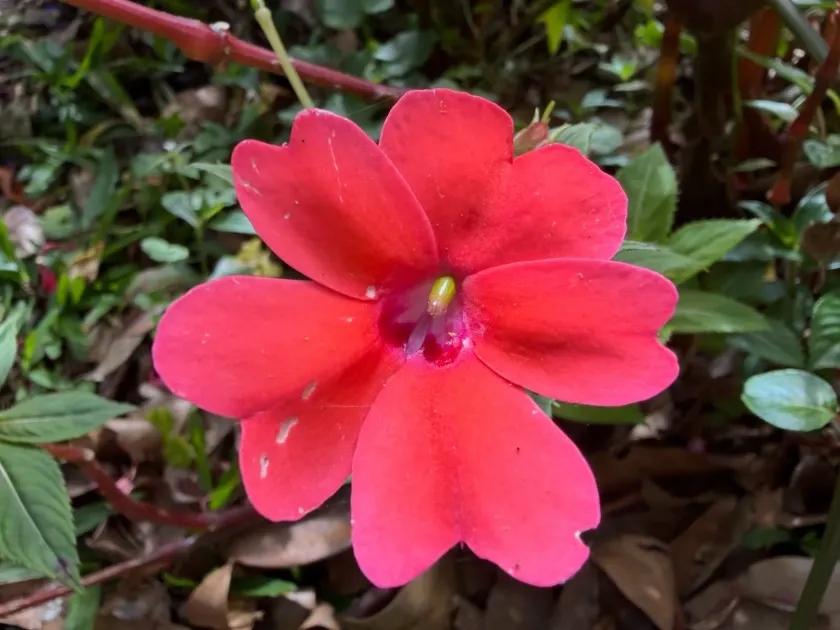
Description
Sowing dates
New Guinea Impatiens (Impatiens hawkeri x Impatiens platypetala) is a hybrid plant that is predominantly propagated through vegetative cuttings in professional horticulture. This method ensures that the specific cultivar traits, such as unique variegated foliage and vibrant flower colors, remain stable.
For those interested in seed propagation, sowing should take place in late winter to early spring. Seeds require light to germinate and should be sown on the surface of a moist, high-quality starting mix without covering them with soil.
Maintaining a stable temperature between 22 and 24 degrees Celsius is crucial during the germination phase. The environment must remain humid, often requiring the use of a plastic cover or a humidity dome to prevent the delicate seeds from drying out.
Once seedlings have developed two sets of true leaves, they should be pricked out into individual containers. A well-draining, nutrient-rich substrate is essential at this stage to support the rapid development of a robust root system before the plants mature.
Transplanting into the garden or final containers must occur only after all risks of frost have passed. These plants are highly sensitive to cold, and exposure to low temperatures can permanently stunt their growth and significantly reduce their overall health.
Growing requirements
Belonging to the Balsaminaceae family, this species thrives in well-aerated, fertile soils with a slightly acidic to neutral pH. A light growing medium that retains sufficient moisture without becoming waterlogged is ideal for keeping the stems firm and healthy.
While New Guinea Impatiens can tolerate more direct sunlight than traditional garden impatiens, they still perform best in filtered or dappled light. Intense midday sun can scorch the leaves and cause excessive water loss, leading to wilting.
Consistent irrigation is required to keep the soil evenly moist. It is vital to avoid both prolonged drought, which causes the foliage to droop, and excessive moisture, which can trigger crown and root rot in the plant's succulent tissues.
The optimal temperature range for these plants is between 18 and 25 degrees Celsius. They do not tolerate cold drafts or sudden temperature fluctuations well, so they should be placed in sheltered locations, especially if kept outdoors in containers.
Regular feeding with a balanced, water-soluble fertilizer is necessary during the active growing season. This ensures that the plant has enough energy to sustain continuous blooming and maintain the high-quality foliage for which this hybrid is prized.
Yield
New Guinea Impatiens are grown almost exclusively for their ornamental value. In landscaping, they are used as annual bedding plants to provide a continuous display of bright flowers and colorful foliage from late spring until the first frost of autumn.
As a herbaceous perennial that is treated as an annual in most climates, these plants are highly versatile. They can be planted in garden beds, used for mass plantings in semi-shaded areas, or showcased in hanging baskets and mixed patio containers.
Production success is measured by the plant's habit and flower density. Breeders focus on creating compact, self-branching varieties that require minimal pruning and provide a dense, carpet-like effect when planted together in outdoor environments.
Their aesthetic versatility makes them indispensable for both professional and amateur gardeners. The wide array of colors, including shades of pink, orange, red, and white, allows for the creation of intricate and vibrant floral compositions in the garden.
Commercial growers prioritize uniformity in production. High-quality standards for New Guinea Impatiens involve controlled environmental conditions to ensure that every plant offered for sale is healthy, well-branched, and covered in healthy flower buds.
Main diseases and pests
Fungal diseases are a primary concern, particularly Botrytis blight, which thrives in conditions of high humidity and poor air circulation. This pathogen can cause rapid decay of flowers and stems, quickly compromising the plant's structural integrity.
Root rot pathogens, such as Pythium and Phytophthora, pose a severe threat when the soil stays too wet for extended periods. These infections destroy the root system, leading to rapid wilting and the inevitable collapse of the entire plant.
Spider mites are the most persistent pest for this species, especially when plants are kept in warm, dry environments. These mites feed on the underside of the leaves, causing stippling, yellowing, and eventually the premature drop of foliage.
Whiteflies and mealybugs can also infest the plants, particularly in greenhouse settings. Their feeding habits not only weaken the plant but also leave behind a sticky residue known as honeydew, which attracts secondary sooty mold growth.
Effective pest and disease management relies on an integrated approach. This includes practicing good greenhouse hygiene, ensuring proper plant spacing for airflow, and using targeted fungicides or insecticides immediately upon the detection of an infestation.