
Passiflora kermesina x miersii hybrid
hybrids between Passiflora kermesina Link & Otto and Passiflora miersii Mart.
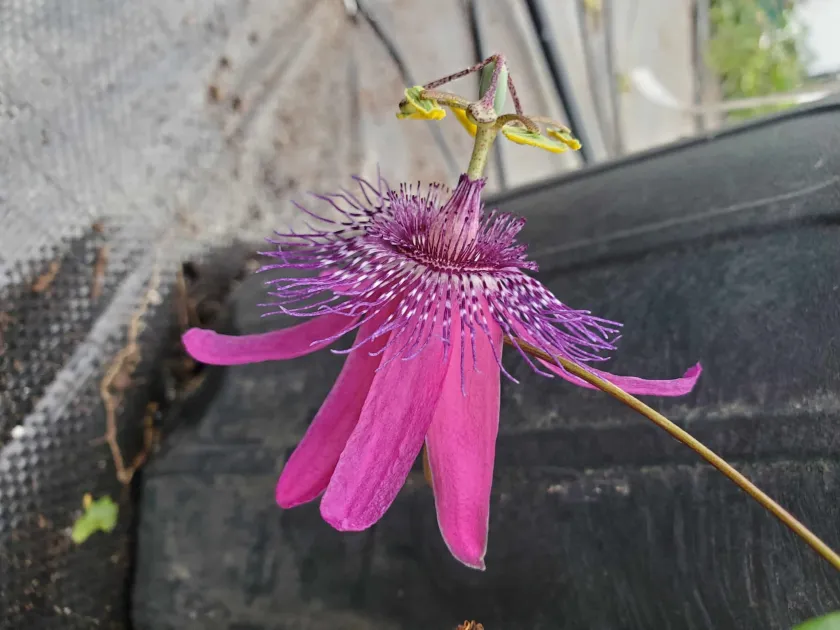
Description
Sowing dates
Propagation of this hybrid is primarily achieved through stem cuttings, ensuring the preservation of the genetic traits inherited from the parent species Passiflora kermesina and Passiflora miersii.
The optimal time for taking cuttings is in early spring, allowing the plant to establish a robust root system before the peak of the growing season.
Cuttings should be placed in a sterile, well-draining medium like coconut coir or perlite, maintaining high humidity levels in a propagation box.
Seed propagation is rarely utilized in commercial production for this hybrid, as the offspring rarely demonstrate the vigor and aesthetic consistency of vegetative clones.
When starting from cuttings, the use of rooting hormones is highly recommended to increase the success rate of the propagation process.
Growing requirements
Belonging to the Passifloraceae family, this hybrid thrives in warm, humid tropical or subtropical environments with moderate light intensity.
The ideal soil substrate for this vine should be rich in organic matter, slightly acidic, and highly permeable to prevent waterlogging around the roots.
The plant requires a consistent temperature range of 22 to 28 degrees Celsius for active growth and high-quality floral development.
Regular fertilization with a balanced NPK fertilizer, supplemented with micronutrients, is essential for maintaining the health of the sprawling vines.
Adequate support systems, such as trellises or mesh netting, are necessary to guide the vine's rapid growth and ensure sufficient exposure to light.
Main diseases and pests
Spider mites are the most frequent pest in greenhouse environments, particularly if the air humidity is not sufficiently maintained throughout the season.
Mealybugs can be problematic, often hiding in the leaf axils and along the stems, which requires consistent monitoring and spot treatments.
Root rot caused by Phytophthora or Pythium species is a significant threat if drainage is inadequate or if the plant is overwatered during cool periods.
Fungal leaf spot diseases may occur in conditions of poor air circulation, necessitating the use of systemic fungicides and increased ventilation.
Effective pest management involves integrated practices, including physical removal of insects and the application of horticultural oils when necessary.