
Passion fruit hybrid (Passiflora edulis x Passiflora incarnata)
hybrids between Passiflora edulis Sims f. flavicarpa O. Deg. and Passiflora incarnata L.
Description
Sowing dates
Sowing the hybrid passion fruit seeds is best performed in early spring as daylight hours increase. Scarifying the seeds and soaking them in growth-promoting agents is essential to overcome the natural dormancy of the seed coat and ensure uniform germination.
Optimal germination requires temperatures between 25 and 28 degrees Celsius. Seeds should be sown in a light, well-draining substrate in protected nursery conditions, keeping moisture levels consistent until seedlings emerge.
Once the seedlings develop two or three true leaves, they should be transplanted into larger individual containers. This phase is crucial for establishing a robust root system before the final planting into the field or greenhouse.
Transplanting to the permanent location must only occur after the risk of frost has passed and soil temperatures have reached at least 15 degrees Celsius. Acclimatization of the plants over several days before planting reduces transplant shock.
Adhering to proper spacing, usually at least 2 meters apart, is necessary to support vigorous vine growth and ensure sufficient airflow between plants, which is key to preventing foliage-related diseases.
Growing requirements
As a member of the Passifloraceae family, this hybrid thrives in full sun and requires protection from high winds. It prefers fertile, loamy soils with excellent drainage and a neutral to slightly acidic pH range.
Consistent irrigation is vital during the active growing and fruiting phases, although the soil must not become waterlogged. A balance between moisture retention and aeration is necessary for optimal root health and vine development.
The hybrid requires strong trellis systems to support its rapid vertical growth. Regular pruning of unproductive or crowded branches helps direct energy toward fruit production and maintains the health of the entire canopy.
The temperature range for this hybrid should be kept between 20 and 30 degrees Celsius for best results. It benefits from balanced NPK fertilization, with an increased focus on potassium during the reproductive growth stages.
High humidity levels contribute to the healthy development of this tropical vine. In drier climates, growers should consider supplementary irrigation or fogging systems within protected environments to maintain vitality.
Yield
Yield potential is dependent on effective pollination and site conditions. When managed correctly, this hybrid offers a prolonged harvest period, making it a productive choice for specialized fruit growers.
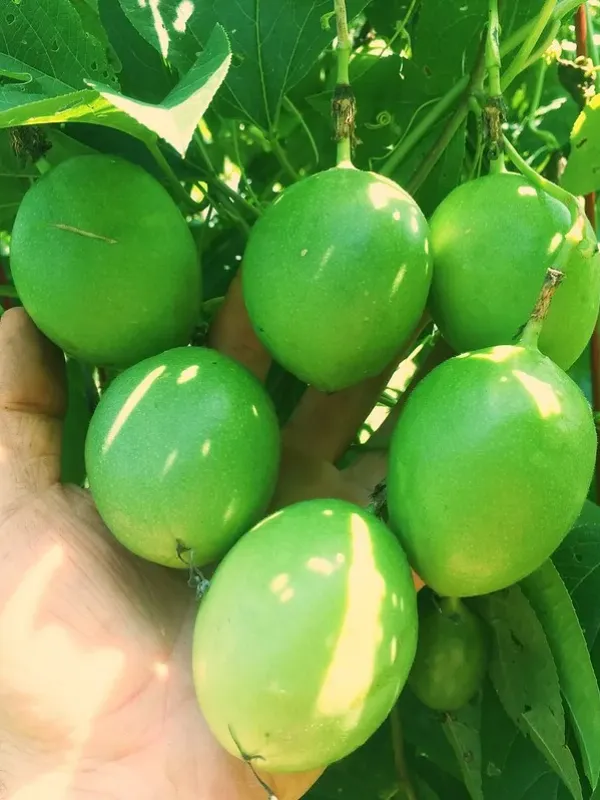
The fruit of this hybrid is highly valued for its aromatic profile, blending the characteristics of both parent species. The improved hardiness of the hybrid often leads to more reliable production cycles compared to non-hybrid varieties.
Initial flowering and fruit set usually occur in the second season after establishment. Ensuring adequate sunlight exposure is critical, as shading significantly reduces the number of flowers and, subsequently, the total yield.
Supplementary potassium feeding during fruit development is recommended to enhance the sugar content and improve the shelf-life of the harvest. Protecting the vines from environmental stress will keep the plants productive for multiple years.
Harvesting is performed on a selective basis as individual fruits reach their characteristic color and aromatic maturity. Consistent picking prevents fruits from over-ripening and dropping prematurely.
Main diseases and pests
Common pests include spider mites and aphids, which frequently target young tender shoots. Integrated pest management, focusing on biological controls and regular monitoring, is the most effective approach to minimize crop losses.
Root rot and Fusarium wilt are significant risks in poorly drained soils. Prevention through soil preparation, appropriate watering practices, and the use of fungicides, when necessary, is vital for long-term vine health.
Powdery mildew can thrive in humid, stagnant air. Maintaining proper plant density and ensuring good air circulation are the primary non-chemical measures for managing this fungal disease effectively.
Nematodes are a soil-borne threat that can cause stunted growth. Growers should prioritize soil disinfection and use crop rotation or nematode-resistant rootstocks if such issues are identified in the local area.
Viral infections can spread rapidly through insect vectors. Strict sanitary practices, including the prompt removal of infected plants, are necessary to prevent the disease from devastating the entire plantation.
Harvesting
Fruits should be harvested using sharp shears to prevent damage to the vine's delicate peduncles. Pulling or twisting the fruit can cause injury to the branch, which could impact future flowering potential.
The harvest stage is identified by the fruit's color change and a distinct, potent fragrance. Fruits that are picked too early will fail to develop full sweetness and flavor profile off the vine.
After collection, fruits should be stored in a cool environment (5 to 10 degrees Celsius) to delay physiological deterioration. This helps maintain market quality for a longer duration before reaching the final consumer.
Transporting the fruit requires containers that protect against physical pressure. The hybrid’s typically firmer skin provides an advantage during shipping, reducing the incidence of bruising compared to other passion fruit varieties.
Frequent harvesting sessions during peak season ensure that growers consistently provide high-quality fruit to the market, maximizing the total return on their investment.