
Hybrid Geranium
Hybrids between Geranium sanguineum and Geranium himalayense
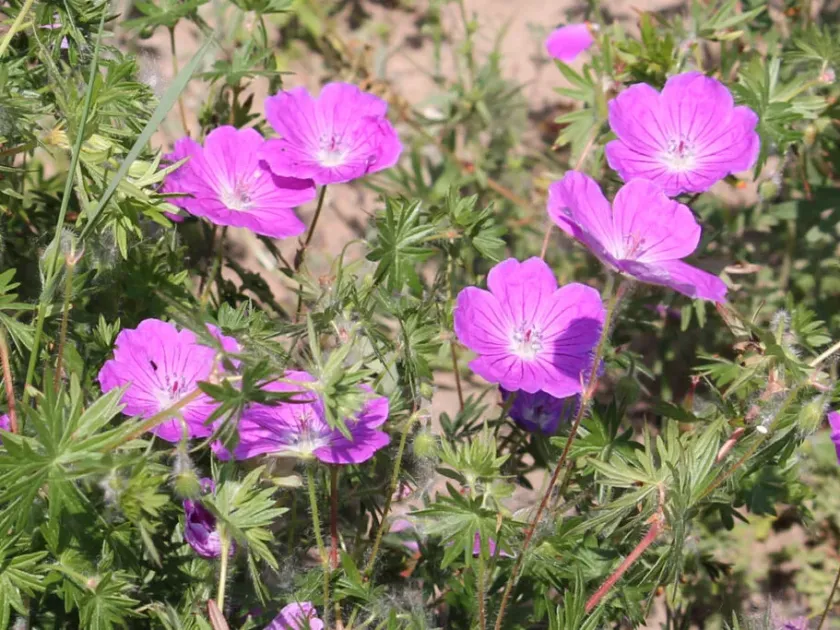
Description
Growing requirements
The hybrid geranium, resulting from the cross-breeding of Geranium sanguineum and Geranium himalayense, is a robust herbaceous perennial belonging to the Geraniaceae family. It is prized for its vigorous growth, attractive foliage, and persistent blooms throughout the growing season.
Cultivation requires well-drained, fertile soil that provides adequate nutrients while preventing waterlogging. While the plant is adaptable, it thrives in neutral to slightly acidic soil conditions; incorporating organic matter, such as compost, improves structural integrity and moisture retention.
Plant placement should favor locations with full sun to partial shade. Exposure to adequate sunlight is crucial for maintaining the plant's dense habit and ensuring maximum flower production. In regions with extremely hot summers, some afternoon shade is beneficial to prevent leaf scorch.
These hybrids are known for their high cold hardiness, making them suitable for various climate zones. Maintenance is relatively low, focusing on consistent moisture during the establishment phase and supplemental irrigation during prolonged dry spells to ensure steady development.
Standard cultural practices include pruning back spent flower stalks to encourage secondary flushes of bloom and improve plant aesthetics. Mulching around the base helps control weeds, maintains consistent soil temperature, and provides additional nutrition as the organic matter slowly breaks down.
Main diseases and pests
Hybrid geraniums are generally resilient, but they can be susceptible to powdery mildew during humid, stagnant air conditions. This fungal infection manifests as a white, powdery dusting on the leaves, which can reduce photosynthetic efficiency if left untreated.
Leaf spot diseases, caused by various fungal pathogens, may occur during wet seasons. Improving air circulation by thinning out congested foliage and removing diseased plant material helps significantly in managing and preventing the spread of these pathogens.
Aphids can infest new, succulent growth in the spring, leading to leaf curling and weakened plant vitality. Regular inspection of the underside of the foliage is recommended to detect early signs of insect activity, allowing for timely intervention with insecticidal soaps.
Spider mites are common during hot and dry spells, often causing fine stippling or bronzing on the foliage. Maintaining adequate soil moisture and using reflective mulches can help create a less hospitable environment for these pests to thrive.
Slugs and snails may cause mechanical damage to the foliage, particularly in damp garden settings. Protecting young plants with physical barriers or organic pest controls is an effective way to maintain the ornamental quality of the geranium clumps throughout the season.