
Hybrid Geranium
hybrids between Geranium himalayense and Geranium wallichianum
Description
Growing requirements
Hybrid Geranium is a perennial herbaceous plant resulting from the hybridization of Geranium himalayense and Geranium wallichianum. Belonging to the Geraniaceae family, it is highly valued for its long-lasting blooms and spreading habit that creates excellent ground cover.
The culture thrives in fertile, well-drained soils with neutral to slightly acidic pH levels. While the plants adapt well to full sun, providing light shade during peak summer afternoons helps prevent leaf scorching and maintains bloom intensity in warmer climates.
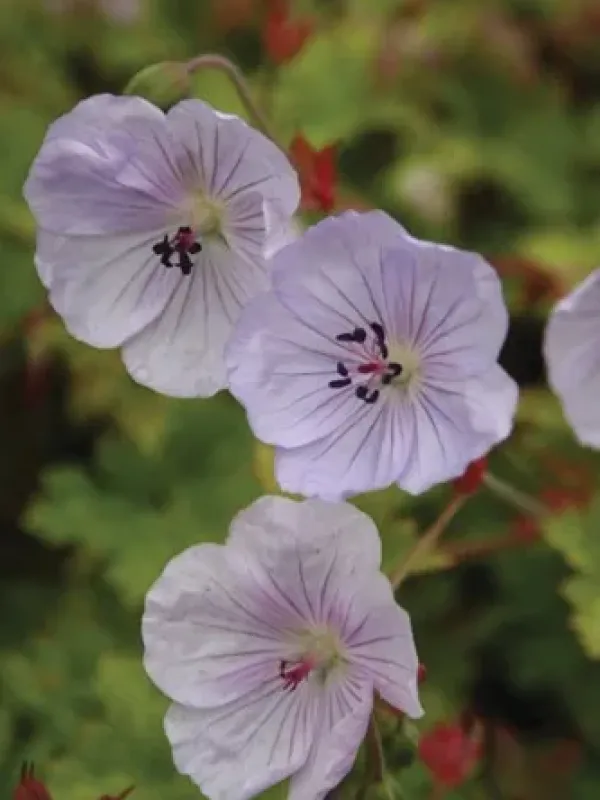
Botanically, these hybrids exhibit robust rootstocks and foliage that often turns shades of red or bronze in the autumn. The flowers are typically larger than those of the parent species, displaying a range of blue, purple, and pink tones depending on the specific cultivar.
Agricultural requirements include consistent moisture during the active growth season. While established plants show reasonable drought tolerance, supplemental watering during prolonged dry spells is recommended to maintain optimal plant vigor.
Regular maintenance involves thinning out older foliage after the first flush of flowers to encourage secondary growth. Incorporating organic matter, such as compost, into the soil profile during spring provides the necessary nutrients for sustained seasonal development.
Main diseases and pests
The primary diseases affecting hybrid geraniums are fungal in origin, with powdery mildew being the most frequent issue in humid, poorly ventilated garden settings. Improving air circulation is the best preventive strategy.
Insect pests such as aphids, spider mites, and leaf rollers can cause aesthetic damage to the foliage. Monitoring the undersides of leaves is essential for early detection, followed by the application of horticultural oils or appropriate insecticides.
Root rot, caused by various soil-borne pathogens like Pythium or Phytophthora, is a common threat in waterlogged areas. Ensuring that planting sites have adequate drainage is critical for long-term survival.
Slugs and snails may attack tender new growth during wet spring months, particularly in shady areas. Using organic baits or physical barriers can effectively protect the plants during their most vulnerable growth stages.
Viruses occasionally affect the plant, manifesting as mosaic patterns or stunted growth. Since there is no cure, infected plants should be removed and destroyed to prevent the spread to healthy neighboring vegetation.