
Hybrids of Dianella prunina and Dianella caerulea
Hybrids between Dianella prunina R. J. F. Hend. and Dianella caerulea Sims
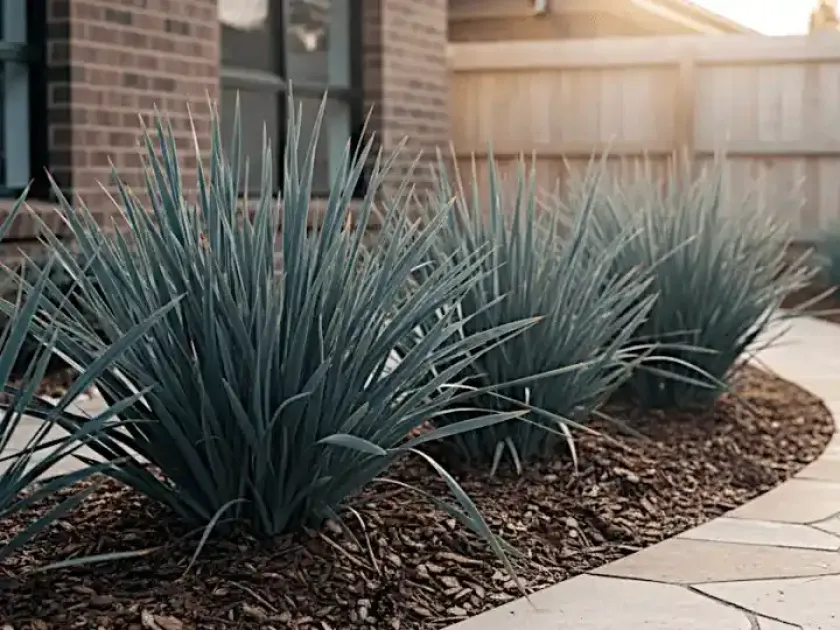
Description
Growing requirements
The hybrids resulting from Dianella prunina and Dianella caerulea are perennial monocots belonging to the Asphodelaceae family. These plants are valued for their linear, strap-like foliage and clusters of vibrant blue berries, which provide significant aesthetic interest.
The origin of these species is rooted in the coastal and forested landscapes of Australia. This evolutionary background allows the hybrid offspring to thrive in a range of light conditions, showing robustness in both dappled shade and partially sunny locations within a garden setting.
Successful cultivation requires soil that is well-drained and slightly acidic to neutral in pH. These hybrids struggle in heavy, waterlogged clay, so incorporating organic matter and sand into the planting hole is recommended to improve structure and porosity.
Climatic requirements focus on protection from hard frosts. While they are resilient in temperate environments, extreme cold can cause foliage dieback. In warmer regions, they are highly appreciated for their ability to withstand occasional drought once they are established.
The primary use of these hybrids is in ornamental horticulture and commercial landscaping. Their low-maintenance profile and evergreen nature make them ideal candidates for urban installations, rock gardens, and mass planting projects that aim for a natural, low-input aesthetic.
Main diseases and pests
Root rot is the most significant physiological threat, typically triggered by poor drainage and excessive winter moisture. Ensuring a well-designed drainage system is the most effective preventative measure against these fungal issues.
Pest issues are generally limited, but slugs and snails can cause damage to tender new shoots. Regular monitoring of the foliage, especially during humid weather, allows for early intervention before the aesthetic quality of the plant is compromised.
In greenhouse or indoor container settings, spider mites can become an issue if the ambient air remains too dry. Increasing humidity or using horticultural soaps can manage these infestations without resorting to harsh chemical treatments.
Good air circulation is vital for maintaining plant health. Removing dead foliage periodically prevents the buildup of debris at the base of the plant, which is where many opportunistic pathogens gain a foothold in damp conditions.
Overall, these hybrids are considered highly durable plants. When situated in their preferred environment, they rarely require intensive pest or disease management, making them a sustainable choice for many garden applications.