
Cordyline banksii and Cordyline pumilio hybrids
Hybrids between Cordyline banksii and Cordyline pumilio
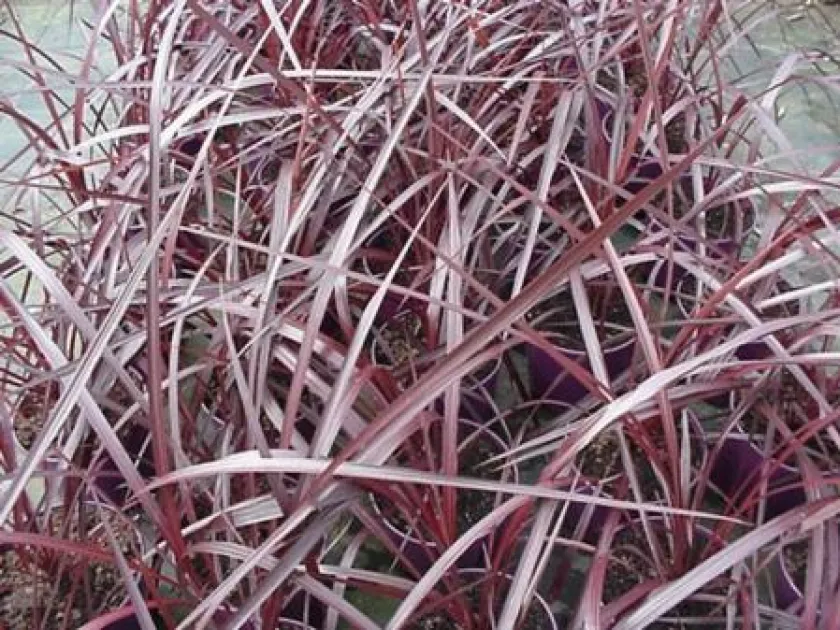
Description
Growing requirements
These hybrids, derived from Cordyline banksii and Cordyline pumilio, belong to the Asparagaceae family. They are valued for their ornamental foliage, combining the distinct architectural habit of their parent species.
Originating from New Zealand, these plants thrive in temperate, frost-free environments. In horticultural practice, they are often cultivated as nursery stocks or premium indoor decorative plants.
The substrate must be well-aerated and nutrient-rich, with an acidic to neutral pH level. A mix consisting of peat, bark, and perlite provides the structural integrity required for healthy root growth.
The plants require bright, indirect light to maintain leaf coloration. Excessive shade leads to weak stems, while direct sunlight can scorch the delicate leaf tips during high-intensity periods.
Watering management is crucial; the substrate should be kept consistently moist but not waterlogged. Periodic misting or the use of humidifiers is recommended to emulate the native humid habitat.
Main diseases and pests
Spider mites are the most common pest, especially in low-humidity environments. They cluster on the undersides of leaves, causing yellowing and webbing.
Root rot, primarily caused by Pythium or Phytophthora species, is a significant threat associated with poor drainage and excessive irrigation.
Scale insects can also infest the stems and leaf bases, causing stunted growth. Manual removal followed by systemic insecticide treatment is generally effective.
Bacterial leaf spots may occur in environments with poor air circulation. Improving ventilation and keeping the foliage dry helps reduce the incidence of these infections.
Monitoring the plant for early signs of stress, such as browning leaf tips or stem softening, allows for timely intervention before the damage becomes irreversible.