
Cordyline australis x banksii
Cordyline australis x cordyline banksii
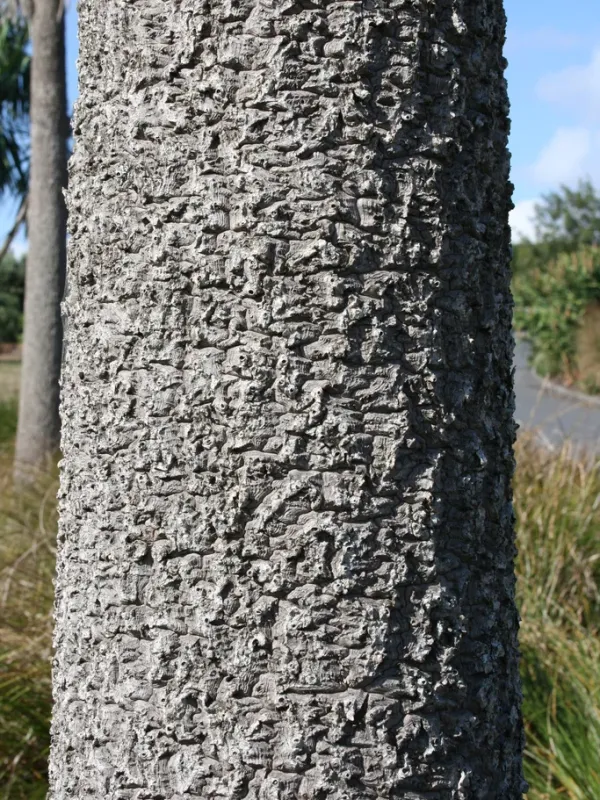
Description
Growing requirements
Cordyline australis x banksii is a notable hybrid within the Asparagaceae family, prized for its distinctive foliage and architectural presence. This plant combines the robust nature of the cabbage tree with the elegant, cascading leaf characteristics of the banksii species, resulting in a unique ornamental plant.
Native to the diverse ecological zones of New Zealand, this hybrid thrives in environments that offer moderate temperatures and adequate moisture. In agricultural settings, it requires well-draining soil that prevents the accumulation of water, which could otherwise lead to detrimental physiological conditions.
The cultural requirements include a position in full sun to partial shade, which is crucial for maintaining the plant's structural integrity and leaf color. In zones with extreme cold, it is necessary to provide frost protection or utilize container cultivation to move the plants to climate-controlled areas during winter.
Soil fertility is important for the plant's development, and moderate fertilization with balanced NPK ratios during the active growing season is recommended. This promotes vigorous growth and enhances the overall aesthetic quality of the foliage, which is the primary interest for most horticultural applications.
Proper spacing is essential in landscape design to allow for adequate air circulation, which reduces the humidity build-up around the base of the plant. This practice is vital for maintaining a healthy microclimate and preventing the onset of various biotic and abiotic stresses.
Main diseases and pests
Mealybugs and scale insects represent the most common pests for this Cordyline hybrid, particularly in nursery and indoor environments. They tend to cluster in leaf axils, and their control requires either mechanical removal or the application of specialized horticultural oils and systemic insecticides.
Spider mites can rapidly colonize plants under low humidity and high temperature conditions. Preventive measures include increasing the ambient humidity and conducting regular leaf washing, which disrupts the life cycle of these pests and mitigates potential damage.
Fungal diseases, such as leaf spot and various rots, are often associated with poor drainage or excessive atmospheric moisture. Effective management relies on proper irrigation schedules, ensuring that the soil surface dries slightly between waterings to prevent pathogen proliferation.
Root rot is a critical threat that can lead to rapid plant decline if not detected early. Using porous, sterile potting mixes and ensuring that containers have large drainage holes are fundamental agricultural strategies for avoiding oxygen deprivation in the root zone.
By monitoring the plants consistently for signs of nutrient deficiency or pest activity, growers can apply corrective actions promptly. Integrating biological control methods with judicious chemical use ensures the long-term health and vitality of the Cordyline australis x banksii specimens.