
Brazilian Cordyline
Cordyline brasiliensis
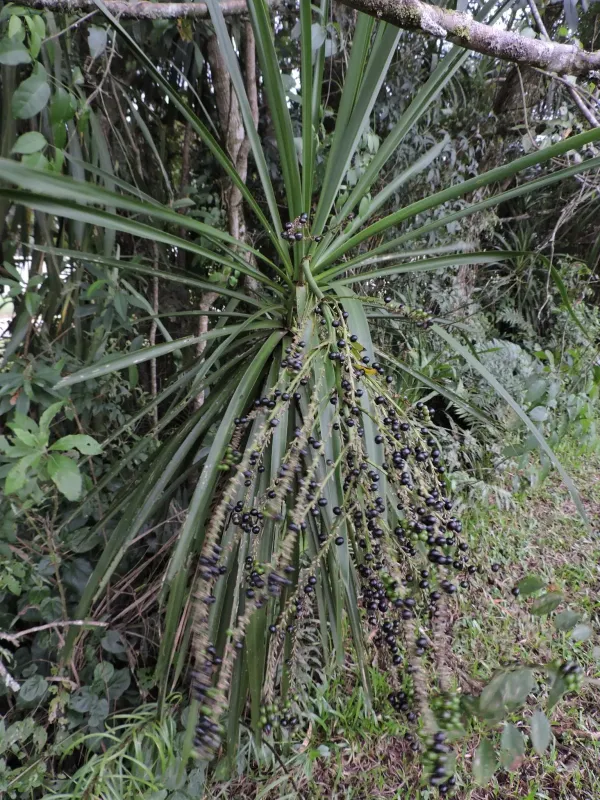
Description
Growing requirements
The Brazilian Cordyline (Cordyline brasiliensis) belongs to the Asparagaceae family. This perennial woody plant originates from the tropical forests of South America, which dictates its specific environmental needs, such as high humidity and consistent warmth throughout the year.
For successful production, the plant requires an environment where temperatures remain stable, ideally between 18 and 25 degrees Celsius. It is essential to avoid sudden cold snaps and drafts, which can cause significant physiological damage to the foliage and stunted growth.
The growing medium should be well-draining, rich in organic matter, and slightly acidic. A mix of peat, loam, and coarse sand provides the necessary aeration for the root system, preventing the accumulation of excess water that could lead to root rot.
Cultural practices include consistent watering, ensuring the soil remains moist but not waterlogged. Supplemental misting or the use of automated humidification systems is highly beneficial, especially in controlled environments to simulate the natural tropical habitat.
Botanically, this species is defined by its erect, woody stem crowned by long, lanceolate leaves. Agronomic management involves regular fertilization with a balanced NPK fertilizer during the peak growth season to maintain the plant's vibrant color and structural integrity.
Main diseases and pests
The most significant threats to Brazilian Cordyline include common greenhouse pests such as spider mites, scale insects, and mealybugs. Regular monitoring of the underside of the leaves is crucial for early detection and mitigation.
Fungal pathogens like leaf spot and root rot are primarily induced by poor air circulation and excessive moisture. Improving ventilation and maintaining a strict watering schedule are the most effective preventive measures against these infections.
- Monitor humidity levels to prevent mite outbreaks.
- Ensure soil drainage is checked periodically.
- Remove fallen leaves to prevent fungal growth.
- Use systemic insecticides only when necessary.
Over-fertilization can result in salt accumulation in the substrate, which manifests as leaf tip burn. It is recommended to flush the soil with clean water occasionally to maintain appropriate salinity levels within the growing medium.
Stunted growth or loss of foliage color often indicates an underlying issue with light intensity. While the plant thrives in bright, indirect light, extreme shifts in light exposure can lead to leaf scorching or excessive chlorosis, requiring an immediate adjustment of shading systems.