
Cordyline pumilio
Cordyline pumilio Hook. f.
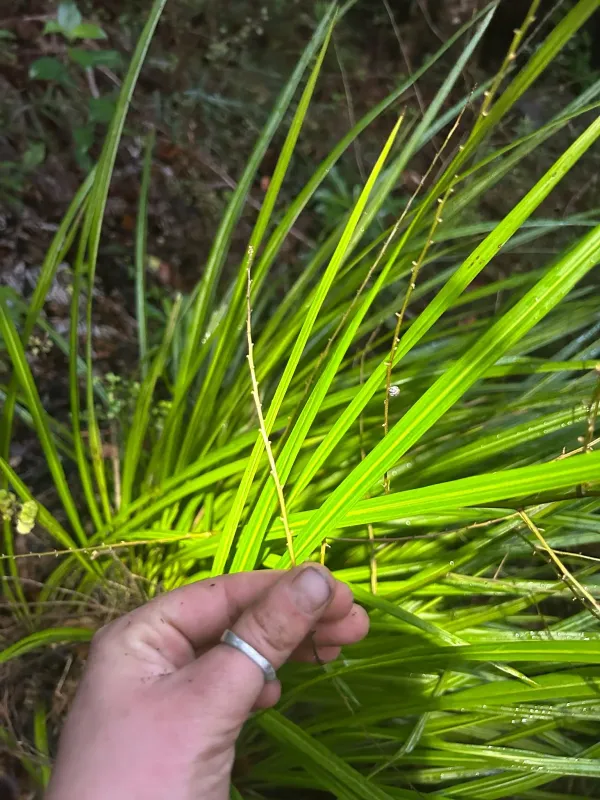
Description
Growing requirements
Cordyline pumilio (Cordyline pumilio) is a distinct species within the Asparagaceae family. Unlike its taller relatives, this plant is characterized by its dwarf, grass-like habit, lacking a prominent woody trunk, making it a unique specimen for tropical plant enthusiasts.
Native to New Zealand, this plant thrives in understory forest conditions. In cultivation, it requires a location with bright but indirect light, as direct midday sun can damage its delicate foliage and lead to dehydration.
Successful growth depends heavily on the soil mix, which must be porous and well-draining. A combination of high-quality peat, perlite, and bark is ideal for maintaining the balance between moisture retention and essential root aeration.
The cultural requirements include a consistent temperature, ideally between 18°C and 25°C. The plant is sensitive to cold drafts and should be kept away from air conditioning vents or areas prone to significant temperature fluctuations.
Its primary use is ornamental, serving as a sophisticated choice for indoor containers or sheltered greenhouse displays. The arching, linear leaves provide a fine texture that contrasts well with broader-leaved tropical varieties.
Main diseases and pests
The most significant threat to Cordyline pumilio is root rot, usually resulting from improper drainage or overwatering. Maintaining a schedule that allows the top layer of the soil to dry out between watering sessions is essential for plant health.
Pests such as spider mites and scale insects are common adversaries in indoor conditions. Spider mites, in particular, flourish in dry environments, making it vital to monitor the undersides of the leaves closely.
Management of pest populations involves increasing humidity through misting or the use of pebble trays, alongside the application of insecticidal soaps or horticultural oils. Vigilant care and consistent environment monitoring are key to preventing infestation.