
Cordyline banksii
Cordyline banksii Hook. f.
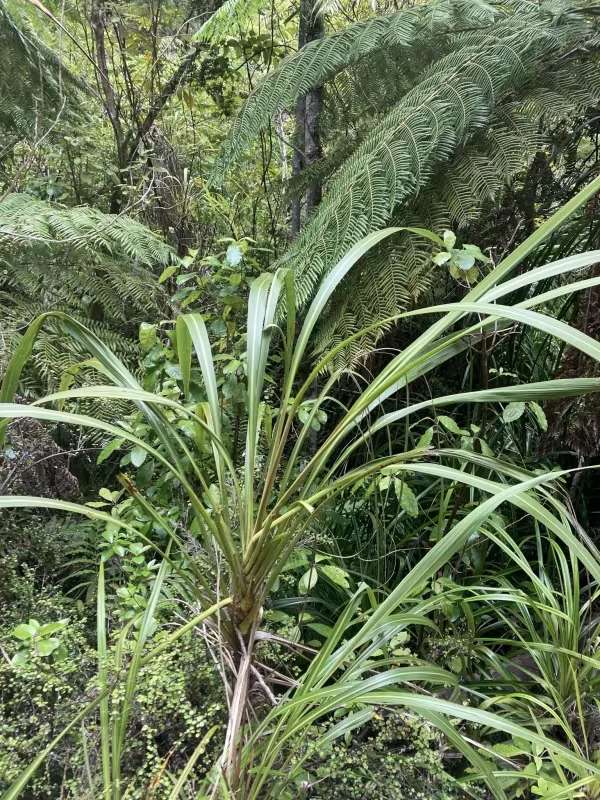
Description
Sowing dates
Propagation of Cordyline banksii is predominantly achieved through vegetative methods, such as stem cuttings or rhizome division, to maintain genetic consistency.
Seed sowing is conducted in spring when soil temperatures reach 20–22 degrees Celsius, using a well-aerated peat-based substrate for optimal germination results.
Soaking seeds in growth stimulants prior to planting is recommended in commercial settings to enhance uniform emergence and overall seedling vigor.
Transplanting seedlings to a permanent location is best performed in late spring once all risks of frost have passed to ensure root system establishment.
Post-planting care requires a brief period of shaded adaptation to protect young plants from heat stress and high light intensity during the initial phase.
Growing requirements
Cordyline banksii, a member of the Asparagaceae family, thrives in well-drained, fertile soils that provide essential nutrients while preventing waterlogging.
The plant prefers bright, indirect light conditions, as excessive direct sunlight can cause leaf discoloration and burning on the elongated, sword-shaped leaves.
Native to New Zealand, this species requires specific temperature control and is best suited for greenhouse environments in climates with harsh winter periods.
Watering must be regulated carefully to maintain consistent moisture without oversaturating the soil, which is vital to preventing root rot issues.
Regular fertilization with balanced NPK formulas during the peak growing season supports the development of lush, robust foliage and healthy overall growth.
Main diseases and pests
The primary threats to the health of Cordyline banksii involve fungal infections like Fusarium, often triggered by poor ventilation and high air humidity.
Pests such as spider mites and scale insects are common in confined greenhouse environments and can cause significant damage if not managed early.
To maintain plant health, growers should strictly adhere to air circulation protocols and perform regular visual inspections of the foliage for early signs of pests.
When chemical intervention is necessary, the use of systemic insecticides and fungicides should be localized to target affected areas while ensuring safety.
Consistent sanitation, including the removal of dead or senescent leaves, serves as an effective preventive measure against the spread of potential diseases.
Harvesting
The commercial use of this crop centers on the production of high-quality decorative plants destined for professional landscaping and retail markets.
Harvesting for propagation purposes is scheduled for the end of summer, providing the best conditions for successful cutting rooting and subsequent development.
Marketable standards are defined by the density of the leaf rosette and the structural height of the specimen, which must meet precise industry criteria.
Packaging and logistics require careful handling protocols to minimize physical damage to the long, brittle leaves during transport from the nursery to customers.
Storage of finished nursery stock requires climate-controlled facilities that maintain moderate temperatures and prevent moisture loss from the root zone.