
Cordyline baueri
Cordyline baueri Hook. f.
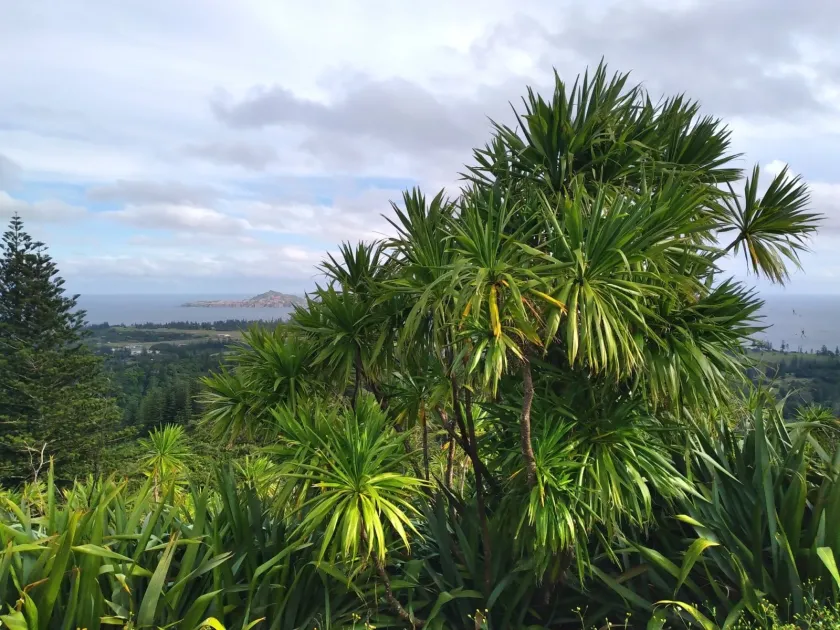
Description
Growing requirements
Cordyline baueri is a distinct species within the Asparagaceae family, known for its elegant foliage and woody stem structure. As a tropical ornamental plant, it originates from the unique ecosystem of Norfolk Island, where it thrives in humid and mild environments.
The botanical structure of this plant features a robust main stem topped with a cluster of linear, leathery leaves. This structural design allows the plant to efficiently store nutrients and maintain its appearance throughout various growth stages.
Cultivation requires a well-draining potting medium that mimics the forest floor of its native origin. A mixture of peat, perlite, and coarse sand is highly recommended to provide adequate aeration while retaining necessary moisture for the root system.
Regarding climate conditions, this species prefers constant temperatures between 20°C and 25°C. Exposure to frost must be avoided at all costs, as the plant is highly sensitive to extreme cold and rapid thermal fluctuations.
Light intensity is a critical factor for success; the plant should be placed in a location receiving bright, filtered sunlight. Excessive shadow will inhibit its growth rate, while harsh direct sun can damage the delicate cellular structure of the leaves.
Main diseases and pests
Spider mites are the most common pests that affect Cordyline baueri, especially in indoor environments with low atmospheric humidity. Their presence can be identified by fine webbing and yellowing spots on the foliage.
Fungal pathogens such as Rhizoctonia and Phytophthora pose a significant threat to the root zone, often occurring as a result of improper irrigation practices and poor drainage in the potting container.
Measures for control include regular leaf washing to maintain hygiene and the application of appropriate systemic fungicides or insecticides when initial symptoms of infestation or disease appear.
Consistent monitoring of the soil moisture levels is essential; the surface should be allowed to dry slightly between watering sessions to prevent the conditions that encourage fungal growth.
Maintaining a clean growing area and ensuring good air circulation around the canopy are the best preventive strategies to ensure the longevity of the plant in any agricultural or home collection.