
Mountain Cabbage Tree
Cordyline indivisa (G. Forst.) Steud.
Description
Growing requirements
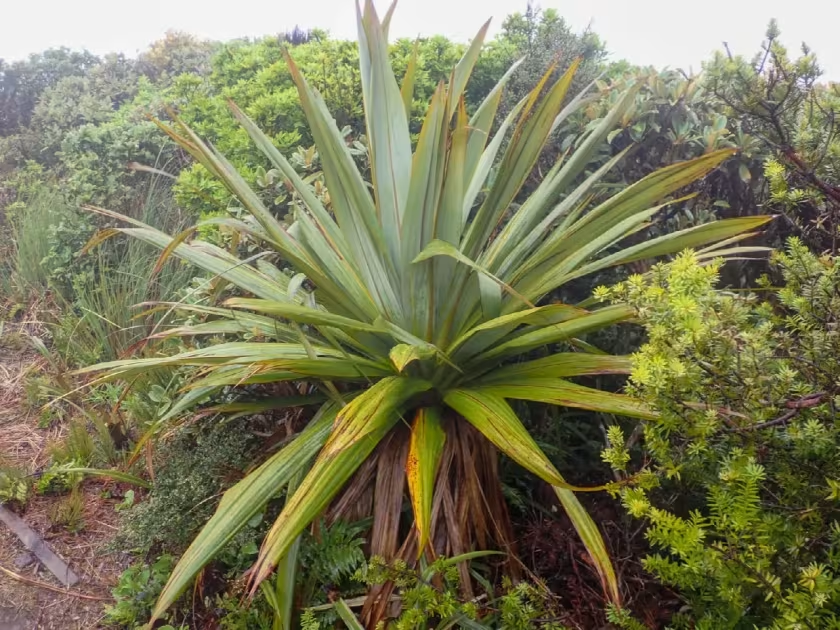
The Mountain Cabbage Tree (Cordyline indivisa) is a prominent member of the Asparagaceae family. Native to the mountainous regions of New Zealand, this plant is characterized by its tall, unbranched stem and large, wide, sword-shaped leaves that create a dramatic appearance.
This species thrives in cool, moist environments and requires fertile, well-draining soil to perform at its best. In cultivation, it is essential to ensure that the potting mix provides adequate aeration, as the root system is highly sensitive to waterlogging and soil compaction.
The plant performs best in bright, indirect light. Excessive exposure to direct sun during peak hours can result in leaf scorching, while insufficient light leads to etiolated, weak growth and the loss of the plant’s distinctive architectural structure.
Temperature management is critical for the long-term success of the Mountain Cabbage Tree. It prefers moderate temperatures between 15°C and 22°C during the growing season and requires a cooler resting period during the winter months, preferably around 10°C.
Regular maintenance involves consistent watering when the top inch of soil feels dry. Proper humidity levels are essential, as dry indoor air can cause leaf tips to brown and make the plant susceptible to environmental stress.
Main diseases and pests
The Mountain Cabbage Tree is susceptible to various pests, including scale insects, mealybugs, and spider mites. These pests typically cluster in the sheltered areas between the base of the leaves and the main stem, making them difficult to detect and eradicate.
Root rot is the most significant disease threat, usually triggered by poor drainage or overwatering. Once the root system is compromised, the plant often struggles to recover, making prevention through controlled watering the primary defense strategy.
Leaf spot pathogens can occur in conditions of high humidity with limited air circulation. These diseases are characterized by unsightly patches on the foliage, which can spread rapidly if conditions remain stagnant and damp.
Nutrient imbalances, particularly magnesium or iron deficiency, can manifest as interveinal chlorosis. Maintaining a balanced fertilization schedule is vital for preserving the deep color and vigor of the leaves throughout the year.
To maintain a healthy specimen, gardeners should regularly prune dead leaves from the base of the crown to promote airflow and prevent the accumulation of debris that can harbor pests and fungal spores.