
Cabbage tree
Cordyline australis (G. Forst.) Endl.
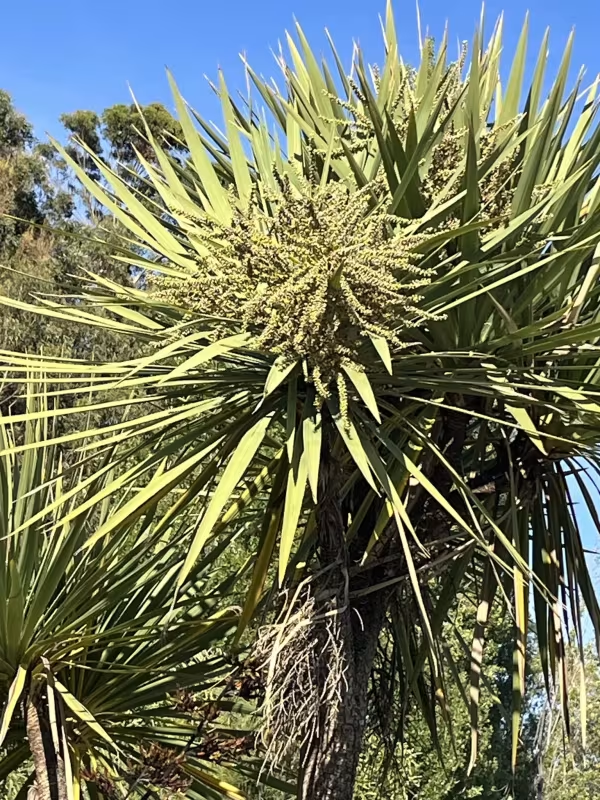
Description
Sowing dates
Propagation of Cordyline australis is primarily achieved through seeds or stem cuttings. Seeds should be sown in a well-draining, sterile potting mix during the spring to ensure optimal growth during the warm season.
Germination typically requires a consistent temperature of 20–25 degrees Celsius. Providing bottom heat can significantly improve the speed and uniformity of germination for fresh seeds.
For vegetative propagation, semi-hardwood cuttings are taken from healthy, mature plants. These cuttings are placed in a humid environment until a robust root system has developed.
Young plants should be transplanted into larger pots once they have established a sufficient root structure. Care must be taken not to damage the delicate root tips during the potting process.
Ensuring the correct light levels during the early stages of development is crucial for healthy seedling growth. Gradually acclimating the young plants to outside conditions helps prevent transplant shock.
Growing requirements
Cordyline australis, commonly known as the cabbage tree, belongs to the Asparagaceae family. Native to New Zealand, this species is a prominent feature in both maritime landscapes and suburban gardens.
The plant thrives in full sun to partial shade. In environments with intense midday heat, some protection is beneficial, though the species is generally resilient and adaptable to varied light conditions.
Soil requirements are relatively flexible; however, a neutral to slightly acidic, well-draining loam provides the best results. It is essential to prevent waterlogging, which often leads to root health issues.
Temperature tolerance varies by cultivar, but established plants can withstand mild frosts. In colder regions, providing winter protection or moving containerized plants indoors is standard practice.
Consistent watering during the growing season is necessary, particularly in dry climates. As the plant matures, it becomes more drought-tolerant, though supplemental water is still advised for optimal vigor.
Main diseases and pests
The cabbage tree is susceptible to several pests, most notably scale insects and mealybugs. These pests congregate in the leaf axils, sucking sap and weakening the plant's structural integrity.
Spider mites are common in indoor or greenhouse settings where the air is dry and warm. Regular misting and proper ventilation are effective ways to mitigate the risk of mite outbreaks.
Root rot, often caused by Phytophthora or Pythium species, remains the most serious threat to overall plant health. Improving drainage and strictly regulating irrigation are the primary preventive measures.
Bacterial leaf spot can occur when conditions are excessively humid and foliage remains wet for extended periods. Pruning affected leaves and improving air circulation can stop the spread.
In certain regions, caterpillars may feed on the fibrous foliage, leading to unsightly damage. If pest populations become significant, the application of horticultural oils or targeted insecticides may be required.