
Cordyline kaspar
Cordyline kaspar W.R.B. Oliv.
Description
Growing requirements
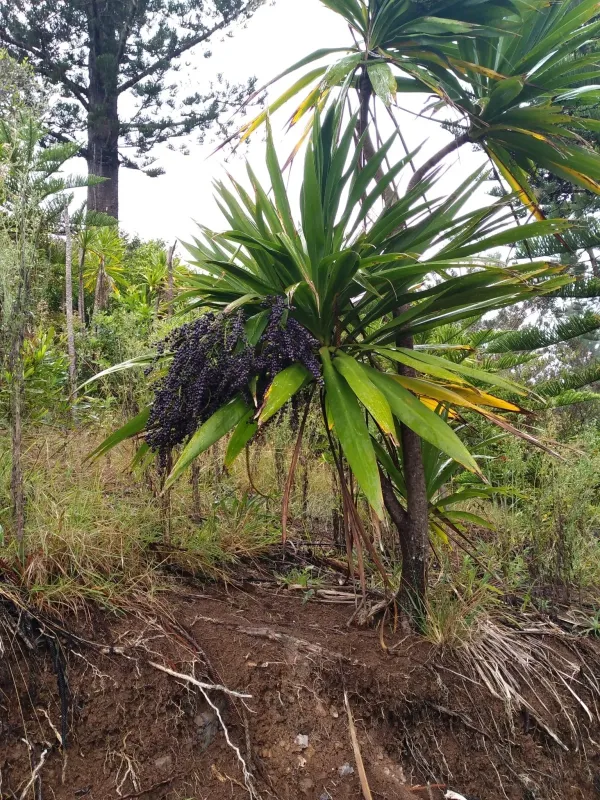
Cordyline kaspar is a distinctive member of the Asparagaceae family, native to the Three Kings Islands off the coast of New Zealand. This species is highly adapted to exposed coastal environments, characterized by nutrient-poor soils and constant wind pressure, which dictates its robust growth habit.
The climate requirements for this plant include stable, moderate temperatures. While it can withstand mild conditions, it is not frost-hardy and should be protected from temperatures below freezing. It performs best in Mediterranean-style climates or as an indoor container plant in colder regions.
Regarding light, Cordyline kaspar thrives in bright, indirect light. Direct sunlight, especially during midday, can scorch the thick, leathery leaves. Providing sufficient light is essential for maintaining the plant's structural integrity and preventing etiolation, where the plant stretches and weakens.
Soil composition is critical for the health of this species. It requires a free-draining medium that prevents root saturation. A mixture consisting of high-quality potting compost blended with grit, perlite, or pumice is recommended to ensure optimal aeration and water drainage.
Watering practices should be balanced; the soil must be allowed to partially dry out between applications to avoid root suffocation. During the growing season, a balanced fertilizer at a diluted rate helps support the slow but steady development of this evergreen architectural plant.
Main diseases and pests
The primary threats to Cordyline kaspar are fungal pathogens, specifically those causing root and crown rot. These diseases are almost always the result of overwatering or poor drainage, which creates an anaerobic environment where pathogens can rapidly proliferate and destroy the root system.
Scale insects are common pests that attach themselves to the stems and leaves, extracting plant sap. These pests are often difficult to detect until the plant starts showing signs of stunted growth or yellowing leaves. Regular inspection and physical removal are the first lines of defense.
Spider mites represent a major concern, particularly in indoor environments with low humidity. They feed on the underside of leaves, causing a stippled appearance and eventual leaf drop. Maintaining proper humidity and ensuring good air circulation are essential preventive measures against these mites.
Mealybugs are another persistent pest that hides in the leaf axils, creating white, cottony masses. Because of their protective coating, they can be resistant to contact sprays, necessitating the use of systemic insecticides or targeted manual cleaning with horticultural oil.
Environmental stress, such as sudden fluctuations in temperature or improper light levels, can weaken the plant's natural defenses, making it more susceptible to secondary infections. Maintaining a consistent environment is the most effective strategy for ensuring the plant's long-term health.