
Clematis Patens and Viticella hybrids
Hybrids between Clematis patens C. Morren & Decne. and Clematis viticella L.
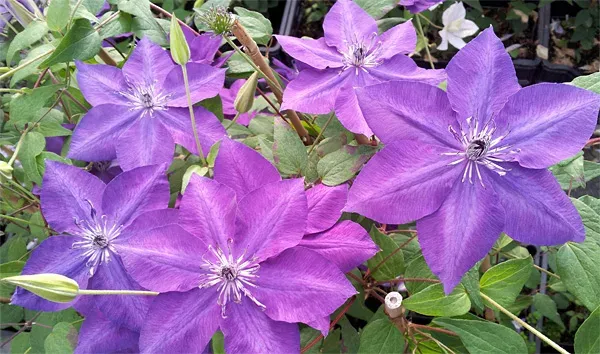
Description
Growing requirements
These hybrids belong to the Ranunculaceae family and represent a significant group of ornamental vines favored for their aesthetic appeal. They are the result of cross-breeding large-flowered Patens species with robust Viticella varieties.
The culture requires a location with at least six hours of direct sunlight, although the root zone prefers cool, moist conditions. Planting perennial groundcovers near the base is an effective way to shade the roots.
Soil requirements include excellent drainage and high organic matter content. These hybrids thrive in slightly alkaline or neutral soils, which should be maintained through regular mulching and proper fertilization schedules.
Water management is critical; the plants require deep, consistent irrigation, especially during the peak of summer. Excessive moisture around the crown must be avoided to prevent root decay and secondary infections.
Support structures should be sturdy and provide ample surface for tendrils to latch onto. Regular training of new growth is necessary to ensure the plant covers the designated area evenly throughout the growing season.
Main diseases and pests
The most devastating condition for these hybrids is Clematis wilt, caused by fungi that invade the vascular system. Infected plants often show sudden collapse and wilting of mature stems.
Powdery mildew is a common foliage issue, particularly in late summer when humidity levels fluctuate. It forms a white fungal layer that inhibits photosynthesis and ruins the plant's ornamental quality.
Aphids often target new, tender growth and flower buds. While they cause structural damage through sap extraction, they are also vectors for various viral diseases that can permanently weaken the vine.
Slugs and snails are major pests, particularly for young plants in early spring. They consume soft foliage and terminal buds, which can stunt the development of the plant for the entire season.
Integrated pest management includes proper sanitation, selecting disease-resistant clones, and the judicious use of fungicides. Maintaining vigorous plant health through adequate nutrition is the best defense against environmental stressors.