
Clematis integrifolia x recta
hybrids between Clematis integrifolia L. and Clematis recta L.
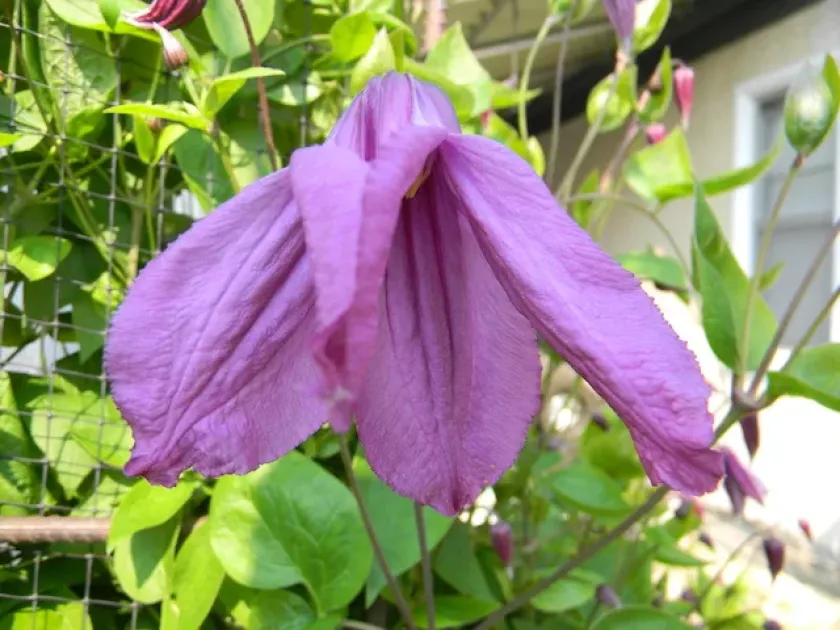
Description
Growing requirements
Clematis integrifolia x recta is a complex hybrid species belonging to the Ranunculaceae family. It is recognized for its robust, semi-shrub habit, which sets it apart from traditional vining clematis types. This plant creates dense, upright clumps that serve as excellent ornamental specimens in garden borders.
The culture thrives in locations that receive ample sunlight, though it benefits from light shade during the hottest parts of the day. It is well-adapted to temperate climate conditions, showing good resilience against seasonal temperature variations. A sheltered spot is preferred to prevent mechanical damage to the stems from strong winds.
Soil requirements focus on fertility and drainage; the plant flourishes in loamy, nutrient-rich soil with a neutral or slightly alkaline pH. Proper soil preparation before planting is essential to ensure that water does not pool around the roots, as this hybrid is susceptible to crown rot when placed in waterlogged conditions.
Horticultural management includes consistent watering during the growing season, specifically during early spring and summer. Nutrient application, preferably in the form of organic amendments or balanced NPK fertilizers, helps sustain vigorous growth and promotes longer blooming periods throughout the season.
Propagation is generally performed through vegetative methods, such as division of mature clumps in spring or autumn. Annual pruning is a key maintenance task; cutting back all stems to the ground in late autumn encourages the plant to regenerate from the root crown, ensuring vigorous new growth in the following spring.
Main diseases and pests
The most common fungal issues are wilt and powdery mildew, often exacerbated by poor air circulation and excessive humidity. Maintaining proper spacing between plants and removing any foliage showing signs of infection are the primary preventative measures for these diseases.
Pest threats include aphids and spider mites, which can sap the vitality of the plant by feeding on leaves and buds. Integrated pest management, including regular inspection and the use of targeted miticides or insecticidal soaps, is highly effective for maintaining plant health.