
Fremont's and whole-leaved clematis hybrids
hybrids between Clematis fremontii S. Watson and Clematis integrifolia L.
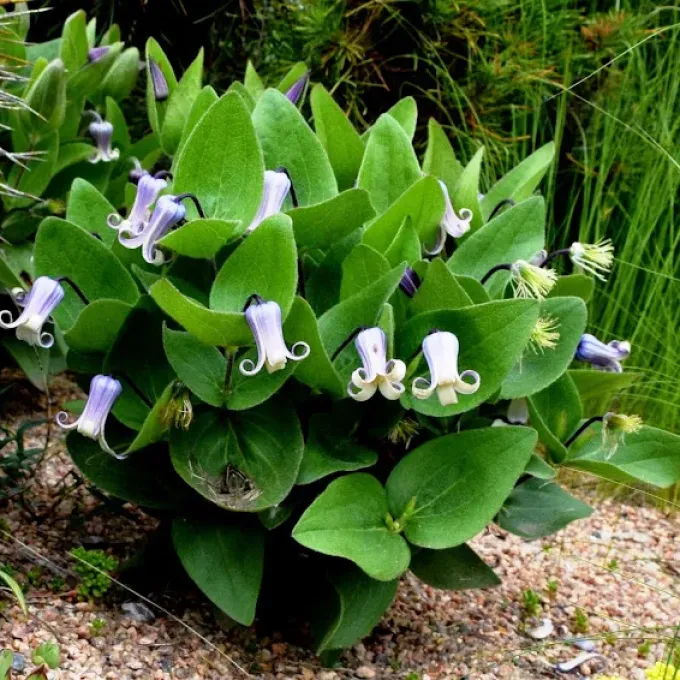
Description
Growing requirements
Hybrids resulting from the cross between Clematis fremontii and Clematis integrifolia are members of the Ranunculaceae family. These plants are appreciated for their bush-like, non-climbing habit, making them distinct from traditional vining clematis varieties.
The culture thrives in full sun to partial shade conditions. It requires well-drained, fertile soil with a neutral to slightly alkaline pH to ensure optimal health and steady root development throughout the growing season.
Climate requirements for these hybrids are relatively undemanding due to the hardiness inherited from C. fremontii. They are well-adapted to varied temperate zones provided they are protected from winter waterlogging.
Cultivation practices involve regular irrigation during dry spells and the application of balanced, slow-release fertilizers in early spring. Mulching the base of the plant helps maintain soil moisture and inhibits weed competition.
Propagation is typically achieved through vegetative methods such as division of the root crown in autumn or spring. These plants are ideal for perennial borders and landscapes where structural height is desired without the need for trellising.
Main diseases and pests
Fungal pathogens such as Clematis wilt are the primary concern for this hybrid group. Humid environments and poor air circulation are the most common triggers for these outbreaks.
Pests, including aphids and spider mites, frequently colonize the tender foliage of the plant. These insects can cause stunted growth if not managed promptly through mechanical or chemical intervention.
Sanitation is a critical component of disease control. Removing spent foliage and infected stems promptly reduces the fungal spore load in the immediate environment of the plant.
Using appropriate fungicidal treatments at the first sign of mildew can prevent extensive damage. It is also important to avoid overhead watering to keep the leaves dry and healthy.
Monitoring the plant regularly for early signs of discoloration or wilting allows for immediate corrective actions, ensuring the longevity and health of the ornamental hybrid.