
Chamelaucium hybrids
Hybrids between Chamelaucium uncinatum Schauer and Chamelaucium micranthum (Turcz.) Domin
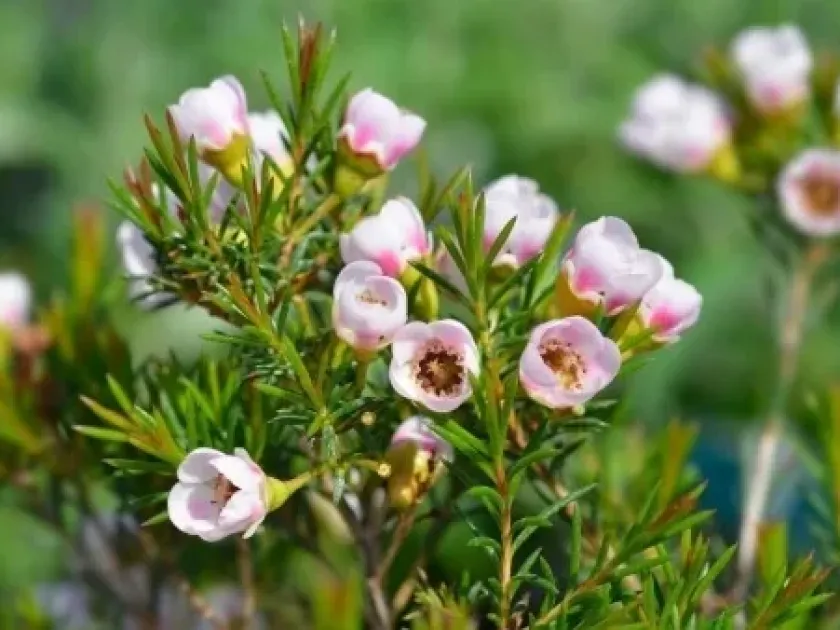
Description
Growing requirements
Chamelaucium hybrids, commonly known as waxflowers, belong to the Myrtaceae family. These plants are the result of advanced breeding between Chamelaucium uncinatum and Chamelaucium micranthum, developed specifically for the cut flower industry due to their superior stem quality and floral display.
These plants thrive in full sun conditions, which is essential for maximizing flower production and maintaining compact, sturdy growth. In commercial settings, cultivation is almost exclusively carried out in greenhouses to provide optimal light exposure and protection from adverse weather.
The ideal growing medium is a well-draining, slightly acidic substrate. Drainage is of paramount importance; excessive water retention or poor soil structure can lead to immediate root rot, to which these hybrids are highly sensitive. Soils should be low in phosphorus to prevent nutrient toxicity.
Management practices involve precise irrigation schedules that allow the substrate to dry out slightly between waterings. Maintaining healthy foliage and vigorous stems requires a balanced fertilization program that avoids high-phosphorus fertilizers, as the roots are adapted to low-nutrient native soils.
The climate must be Mediterranean or subtropical in character. While the plants can withstand light heat, they are not frost-tolerant and require protection when temperatures drop significantly. Consistent temperatures are key to maintaining the plant's metabolic health and bloom cycles.
Yield
The primary commercial use of these hybrids is as a high-value cut flower. Their popularity in the global florist market is attributed to their exceptional longevity in vases, often lasting several weeks, and their availability in a wide spectrum of colors and petal structures.
Yield is managed through tactical pruning. After the harvest phase, cutting back the stems promotes healthy lateral growth and ensures higher productivity for the following season. Proper canopy management allows for optimal airflow and light penetration, which is vital for long-term plantation health.
Main diseases and pests
Spider mites and mealybugs are the most common pests, particularly in protected greenhouse environments where the air is dry and warm. Integrated pest management strategies, including the use of beneficial insects and targeted chemical controls, are standard for maintaining crop quality.
Fungal diseases like Phytophthora root rot and Botrytis blight represent the most significant threats to profitability. These are primarily caused by over-irrigation or inadequate air circulation, highlighting the need for advanced climate control systems to keep the environment conducive to plant health.
Harvesting
Harvesting is performed when the majority of florets are open but not yet senescent. Stems are cut at the base of the marketable length, immediately cooled, and placed in hydrating solutions. This preserves the turgor pressure of the needle-like leaves and delicate blossoms during transport.