
Chamelaucium axillare x uncinatum
Chamelaucium axillare x uncinatum
Description
Growing requirements
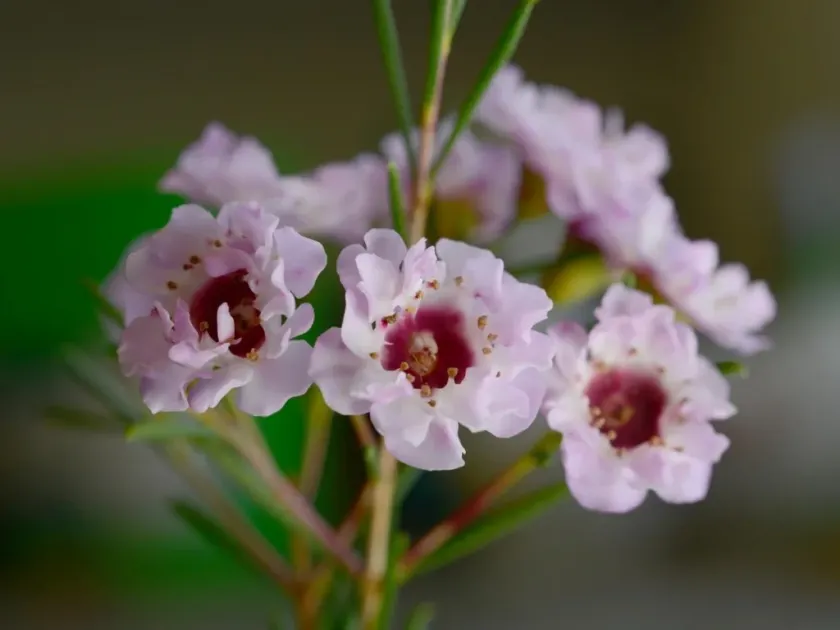
Chamelaucium axillare x uncinatum is a hybrid species belonging to the Myrtaceae family, combining traits of Chamelaucium axillare and Chamelaucium uncinatum. It is an evergreen shrub widely used in professional floriculture as a premium ornamental cut flower crop.
The plant originates from the southwestern regions of Australia, having adapted to a Mediterranean climate with mild winters and dry summers. Commercial production is concentrated in regions with similar climatic conditions, including California, Israel, and Southern Europe.
For optimal growth, the crop requires well-drained sandy or loamy soil with a neutral to slightly acidic pH. The plant is highly sensitive to waterlogging, which causes rapid root rot, so agronomists strongly recommend planting on raised beds to improve drainage.
This species is highly photophilous and requires maximum sunlight for prolific flowering and the development of quality stems. The ideal temperature range for vegetative growth is between 15 and 25 degrees Celsius, though mature specimens can tolerate brief periods of lower temperatures.
Agricultural practices include regular pruning after the flowering period, which encourages bushiness and increases the number of flowering stems in the following season. Irrigation must be moderate, allowing the top layer of soil to dry out between watering sessions.
Main diseases and pests
The primary threat to plantations is pathogenic fungi, such as Phytophthora, which thrive in waterlogged soil. Disease control relies on strict irrigation management and the application of systemic fungicides.
The most dangerous pests include spider mites and aphids, which target young shoots and developing flower buds. Regular monitoring of plant health allows for the early detection and containment of pest outbreaks.
Micronutrient deficiencies, particularly iron and magnesium, can lead to leaf chlorosis, which is addressed through the application of balanced liquid fertilizers. It is important to avoid excessive phosphorus, as the plant is highly sensitive to it.
Powdery mildew can occur in greenhouse environments with poor air circulation or high humidity. Optimizing plant spacing and ventilation is key to reducing the incidence of this fungal disease.
To protect against viral infections, it is necessary to use certified virus-free planting stock and implement strict vector control. Following crop rotation and phytosanitary protocols significantly minimizes yield losses.
Harvesting
Harvesting (cutting) is conducted when at least half of the buds on the inflorescence are open. The stems are cut using sharp pruning shears, ensuring a portion of the mature shoot remains to facilitate plant regeneration.
The stems exhibit excellent vase life, making them highly sought after in the global floral industry. Immediately after harvesting, the stems are placed in clean water mixed with floral preservatives to maintain freshness.
Transportation is carried out under temperature-controlled conditions to slow down moisture evaporation and prevent premature wilting of the flowers. Quality control at the post-harvest stage is critical for maintaining market standards.
The primary use for the crop is in festive bouquets and floral arrangements. Due to the waxy texture of the petals, the plant retains its decorative appeal for a long time even when out of water.
The harvesting schedule is determined by the specific climatic zone and the hybrid's characteristics, allowing for production during the winter and spring months, which is vital for the cut flower market.