
Hybrid Waxflower
Chamelaucium floriferum x uncinatum
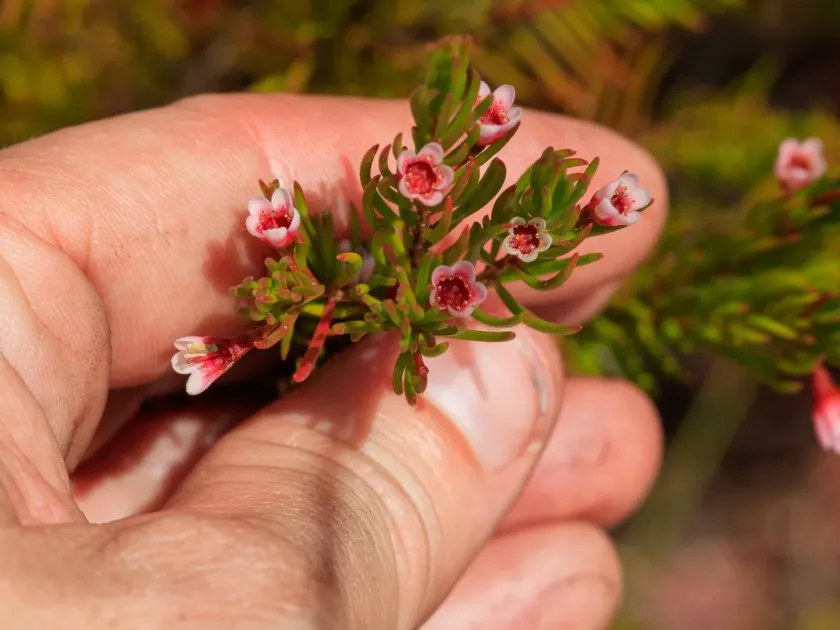
Description
Growing requirements
The hybrid waxflower is an evergreen shrub belonging to the Myrtaceae family, developed through the selection of Chamelaucium uncinatum and related species. Originating from Western Australia, it has evolved to thrive in arid climates with sandy, nutrient-poor soil compositions.
The crop requires well-drained, slightly acidic to neutral soils with low phosphorus levels. In commercial cultivation, it is grown in controlled greenhouse environments or outdoor regions with Mediterranean climates, focusing on avoiding waterlogged conditions which are lethal to the root system.
Optimal development occurs at temperatures ranging between 15 and 25 degrees Celsius. High light intensity is essential for success, as inadequate lighting causes leggy stems and a significant reduction in flower production, compromising its market value.
Agricultural management requires consistent pruning immediately after the flowering season to maintain a compact, bushy habit. Irrigation should be managed carefully, allowing the growing medium to dry out partially between watering cycles to prevent root rot.
The waxflower is highly valued as a staple in the floral industry for cut flowers. Its delicate, waxy petals and needle-like foliage provide long-lasting beauty, making it an excellent filler for diverse professional floral arrangements.
Main diseases and pests
The primary threat to the hybrid waxflower is excessive soil moisture, which inevitably leads to Phytophthora and other root rots. Once these pathogens infect the root zone, the plant is notoriously difficult to recover.
Pests such as spider mites are major concerns, especially in hot and dry conditions where they can quickly multiply. Aphids may also infest new, tender growth, requiring early intervention with selective insecticides.
Powdery mildew often affects the plant in environments with poor air circulation or high humidity. Maintaining adequate spacing between plants is crucial for proper ventilation and disease prevention.
Root nematodes can cause significant damage in intensive greenhouse operations if proper soil sterilization practices are neglected. Implementing strict phytosanitary protocols is essential for protecting the crop.
Effective pest and disease control requires a combination of systemic fungicides and integrated pest management strategies. Avoiding excessive nitrogen fertilization is vital, as lush growth is more attractive to sap-sucking pests and prone to fungal infections.