
Chamelaucium micranthum
Chamelaucium micranthum
Description
Growing requirements
Chamelaucium micranthum is a distinguished member of the Myrtaceae family, native to Western Australia. Known commercially as part of the waxflower group, it is a hardy, woody shrub valued primarily for its long-lasting, waxy blooms that are essential for the international cut flower trade.
The plant thrives in Mediterranean-type climates, requiring high light intensity for optimal growth. It is highly adapted to nutrient-poor, well-draining sandy soils, which mimic its natural Australian habitat. Heavy clay soils are unsuitable and will lead to rapid plant decline.
Agricultural management requires meticulous water control. While established plants are drought-tolerant, consistent moisture during the active growing season is vital for producing high-quality stems. Drip irrigation systems are the preferred method for commercial plantations.
Nutrient requirements are specific, as members of the Myrtaceae family often show sensitivity to phosphorus levels. Using low-phosphorus fertilizers is essential to avoid toxicity, and maintaining an acidic to neutral soil pH is critical for preventing micronutrient deficiencies.
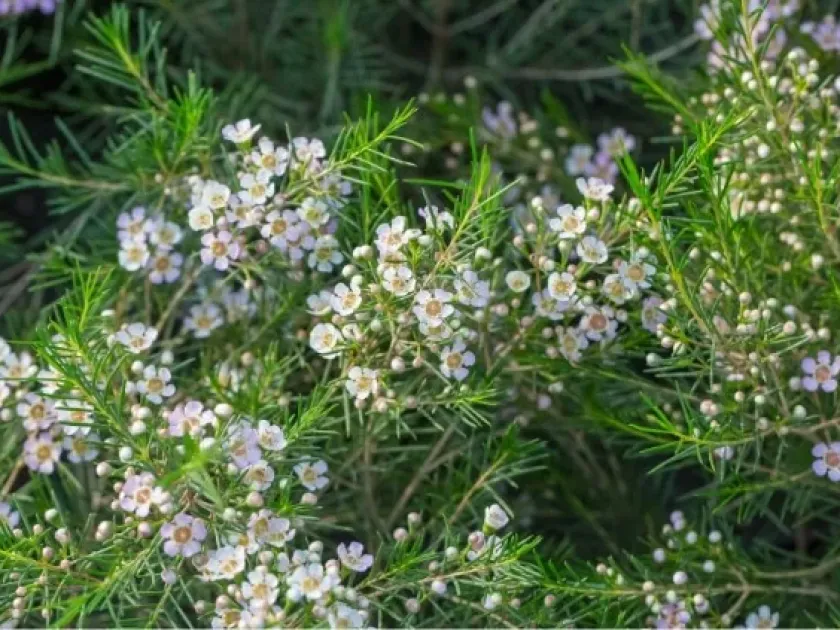
Botanical features include small, needle-like foliage and an abundance of delicate flowers that emerge on terminal racemes. The waxy texture of the petals provides an exceptional vase life, making this species a premium choice for floral arrangements and bridal bouquets.
Main diseases and pests
Root rot pathogens, particularly Phytophthora cinnamomi, pose the most significant threat to waxflower production. Management relies on strict sanitation, the use of pathogen-free growing media, and the implementation of robust drainage systems to prevent waterlogging.
Insects like spider mites and mealybugs can cause significant damage to the foliage and flower stems. Integrated Pest Management (IPM) strategies, including the introduction of beneficial predatory mites, are often employed to maintain high standards of marketability without relying solely on chemical sprays.