
Chamelaucium axillare
Chamelaucium axillare
Description
Growing requirements
Chamelaucium axillare is a perennial shrub belonging to the Myrtaceae family. Native to Western Australia, it is highly adapted to sandy, well-drained soils and arid environmental conditions.
Successful cultivation requires soil with excellent aeration and low nutrient levels. In a nursery setting, a substrate mix comprising sand and perlite is essential to prevent waterlogging and root rot.
The plant thrives in full sunlight and requires a warm, dry climate. It is not frost-tolerant and must be grown in greenhouses or as a container plant in temperate regions to survive the winter months.
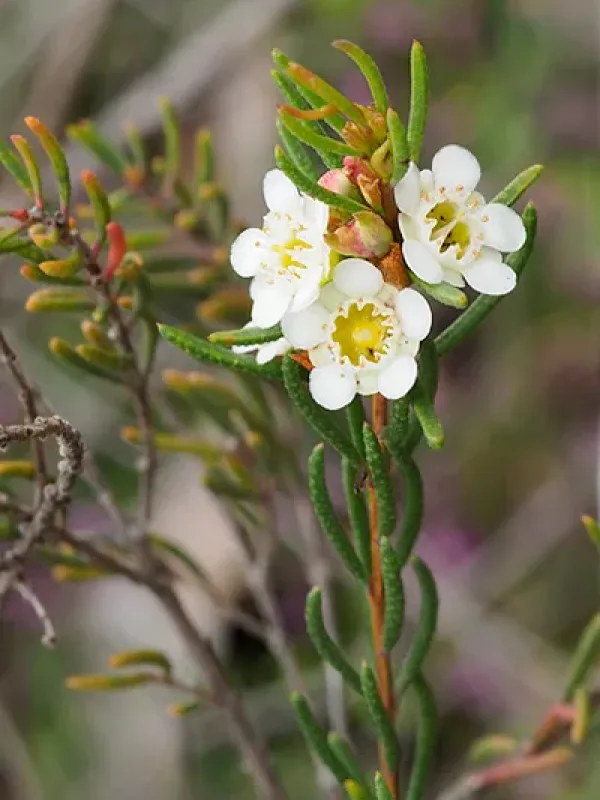
Botanically, it is characterized by its small, needle-like leaves and flowers produced in the leaf axils. The plant maintains a compact, evergreen habit that makes it suitable for intensive greenhouse production.
The primary agricultural use of Chamelaucium axillare is as a premium cut flower. Its long vase life and delicate foliage make it a staple in commercial floral arrangements and export markets.
Main diseases and pests
The most significant threats to Chamelaucium axillare are fungal pathogens, specifically those causing root rot. These are primarily induced by poor drainage and excessive humidity in the growing environment.
Phytophthora species are the most dangerous pathogens for this genus. Preventive measures include using sterile growing media and implementing strict irrigation management protocols.
Common insect pests include spider mites and mealybugs, which thrive in protected greenhouse conditions. These pests can rapidly colonize young shoots, impacting both growth and flower quality.
Regular scouting and integrated pest management (IPM) practices are required to control infestations. Using targeted acaricides and insecticides is common when biological controls are insufficient.
Proper air circulation within the greenhouse is crucial to managing fungal risks. Ensuring that foliage remains dry and promoting rapid drying of the substrate surface are vital management tasks.