
Chamelaucium megalopetalum
Chamelaucium megalopetalum F. Muell. ex Benth
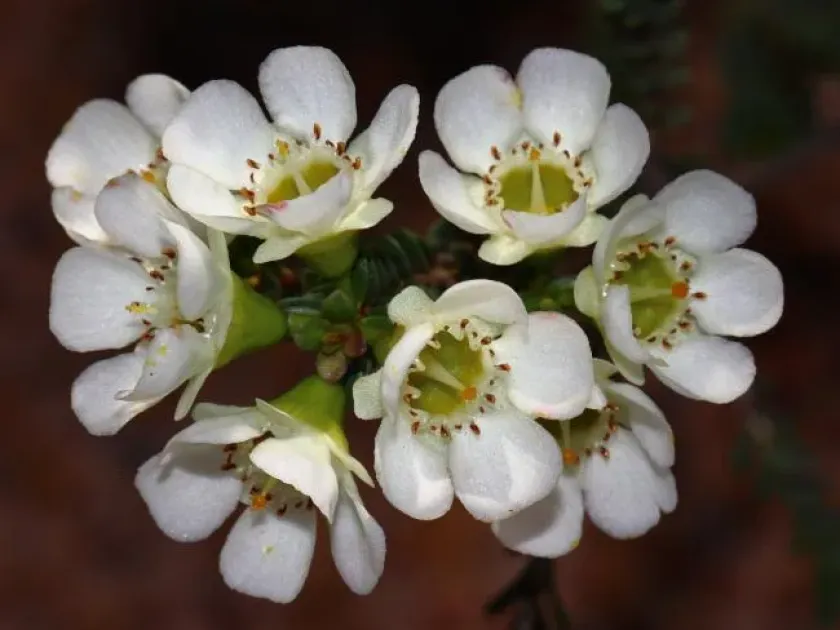
Description
Sowing dates
Chamelaucium megalopetalum, a member of the Myrtaceae family, is an endemic species from Western Australia known for its high ornamental value. Propagation in commercial settings is almost exclusively vegetative, using semi-hardwood cuttings to ensure genetic uniformity and faster establishment.
The ideal window for taking cuttings is late summer to early autumn. These cuttings are placed in a free-draining medium, such as a blend of peat and perlite, to encourage rapid root development while preventing oxygen deficiency in the rhizosphere.
Maintenance of the propagation environment is crucial; temperatures between 18°C and 22°C are optimal for successful rooting. The use of rooting hormones is a standard practice to enhance root initiation and increase the overall success rate of nursery batches.
Once roots are well-established, young plants are transferred to larger containers. Careful handling is necessary to ensure the root system is not damaged, as Chamelaucium species are notoriously sensitive to root disturbance during the early growth phases.
Greenhouse conditions must be strictly controlled, emphasizing good airflow and moderate humidity to prevent early-stage damping-off and other nursery-related pathogens.
Growing requirements
The success of Chamelaucium megalopetalum depends heavily on soil management. It requires well-drained, sandy soils with a neutral to slightly acidic pH. Waterlogging is the primary cause of failure, as the root system is highly susceptible to decay if kept in wet conditions.
As a light-loving species, this plant requires high levels of solar radiation. In commercial production, high-intensity light is vital for achieving the characteristic compact structure and abundant floral display that market standards demand.
While the species is adapted to drier conditions, supplemental irrigation is necessary to ensure consistent growth. Water must be applied only when the top layer of the substrate has dried out, maintaining a balance that prevents both drought stress and overwatering.
Fertilization must be approached with caution. Representatives of the Myrtaceae family, especially those from Western Australia, often have phosphorus sensitivity. Low-phosphorus, slow-release fertilizers formulated for Australian natives are the most appropriate choice.
Temperature management should prioritize moderate, stable conditions. While the plant can tolerate certain fluctuations, extreme cold combined with high humidity must be avoided to prevent frost damage and fungal outbreaks.
Main diseases and pests
Pest management is focused on common greenhouse threats like spider mites and mealybugs, which thrive in protected environments. These pests can rapidly sap the vitality of the plant and cause unsightly damage to the foliage and flowers.
Fungal pathogens such as Phytophthora and Fusarium pose a significant threat, usually appearing as a result of poor irrigation management or stagnant air. These soil-borne diseases can devastate entire crops if not caught early.
Leaf spot diseases can also be a challenge, particularly when humidity levels are not controlled. Regular scouting for early symptoms and ensuring good ventilation are the most effective preventative measures against these infections.
Integrated Pest Management (IPM) is strongly encouraged to reduce chemical reliance. This includes the use of beneficial insects for mite control and strict sanitation protocols to ensure the growing area remains free of pathogen reservoirs.
When chemical intervention is required, products must be selected carefully to avoid phytotoxicity, as this species can be sensitive to certain surfactants and concentrated active ingredients commonly used on other ornamental crops.
Harvesting
The primary commercial use of Chamelaucium megalopetalum is as a high-quality cut flower. Its delicate, star-shaped flowers and attractive foliage make it a prized component in luxury floral arrangements and bouquets.
Harvesting takes place in the early morning to minimize water loss and maximize the post-harvest longevity of the stems. The ideal stage for harvest is when approximately 50-70% of the flowers on the spray have opened.
Post-harvest handling involves immediate cooling to temperatures between +2°C and +5°C. This slows the respiration rate of the flowers and ensures they remain in peak condition during storage and transport to global markets.
Stems must be cleaned of lower foliage before being placed in water, as decaying leaves contribute to bacterial growth. The use of professional floral preservatives is recommended to keep the water clean and ensure hydration continues throughout the vase life.
With proper post-harvest care, these stems are highly valued by florists for their durability, often lasting up to three weeks depending on environmental conditions in the display area.