
Chamelaucium floriferum
Chamelaucium floriferum
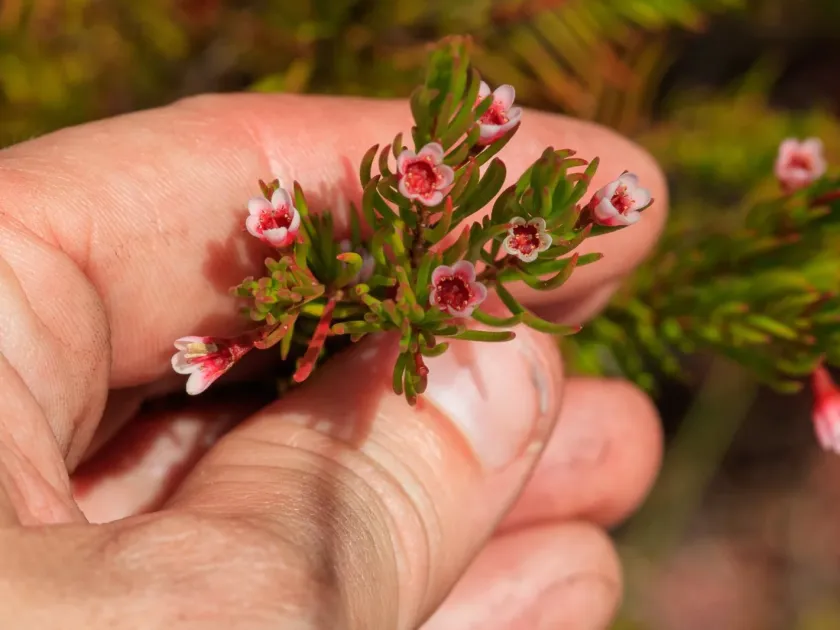
Description
Growing requirements
Chamelaucium floriferum is a member of the Myrtaceae family, native to Western Australia. It is a perennial evergreen shrub known for its ability to thrive in sandy, low-nutrient soils under a Mediterranean-type climate with dry summers and mild winters.
Successful cultivation requires high light intensity and excellent drainage. Soil aeration is critical to prevent the development of root diseases, as this species is highly intolerant of waterlogged conditions and poorly structured, heavy clay substrates.
The plant demonstrates unique botanical features, including aromatic, needle-like leaves containing essential oils and small, waxy, long-lasting flowers. These characteristics make it a premium choice for commercial cut flower production and ornamental landscaping in suitable climates.
Temperature management is vital; while it withstands moderate heat, it is sensitive to severe frost. In areas with cold winters, the crop must be managed in greenhouses or large containers to protect the root system and foliage from damage.
Agronomic practices include post-flowering pruning to maintain a bushy habit and prevent the plant from becoming leggy. Fertilization should be handled with caution, as species in the Myrtaceae family are often phosphorus-sensitive and require specialized low-phosphorus nutrient formulations.
Main diseases and pests
Pest issues commonly involve sap-sucking insects like aphids, mites, and scale insects. These pests can cause significant damage to young vegetative growth, necessitating proactive monitoring and timely application of targeted insecticides.
Disease management is centered on preventing root pathogens. Phytophthora species are the most serious threat to the crop, often introduced via contaminated irrigation water or poorly drained soil, which underscores the importance of strict nursery hygiene and site selection.
Harvesting
Commercial production is primarily focused on the cut flower market. Harvesting typically takes place when a significant proportion of the floral buds have opened, ensuring the product maintains its aesthetic appeal throughout the logistics chain.
Post-harvest handling involves keeping the stems in clean, cool water to maintain turgor pressure. Because of the waxy coating on the petals, Chamelaucium floriferum offers exceptional vase life, frequently exceeding two weeks under optimal storage conditions.