
Chamelaucium forestii
Chamelaucium forestii
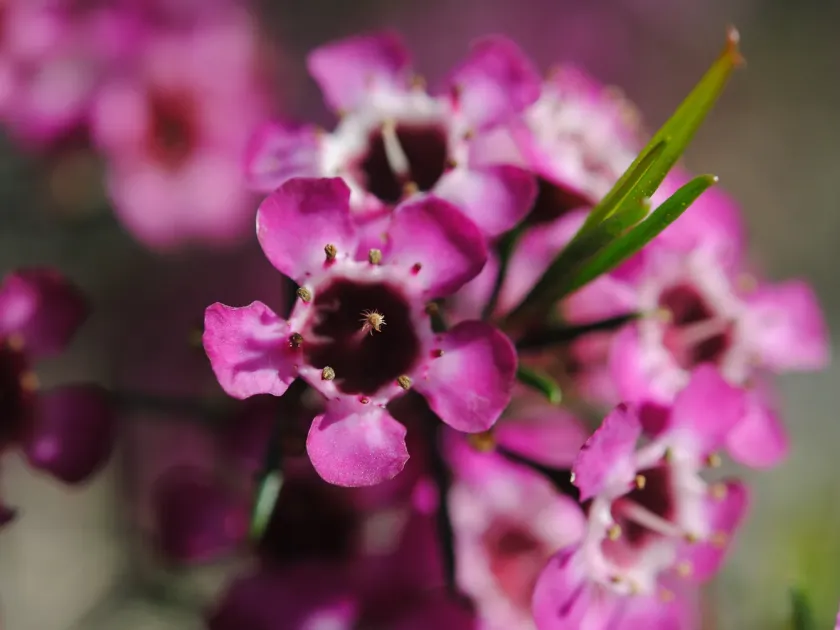
Description
Growing requirements
Chamelaucium forestii, a member of the Myrtaceae family, is a distinct shrub native to the arid regions of Western Australia. Known for its resilient nature and attractive wax-like flowers, it has become a staple in high-end commercial floriculture.
The plant thrives in well-drained, sandy, or loamy soils. It is critical to maintain a soil pH that is slightly acidic to neutral, as this ensures the bioavailability of essential micronutrients required for robust growth.
As a light-loving species, Chamelaucium forestii requires full solar exposure. In greenhouse settings, supplemental lighting or high-transmittance glazing is recommended to support continuous development and vibrant floral coloration.
The climate requirements involve warm, dry conditions, mimicking its natural habitat. While the plant exhibits significant drought tolerance, consistent moisture management is vital during the peak growing season to ensure optimal stem length and flower quality.
Pruning is a mandatory agronomic practice. By trimming the shrub back immediately after the flowering cycle, growers stimulate the proliferation of lateral shoots, which are the primary sites for bud formation in the following season.
Main diseases and pests
Root rot caused by Phytophthora species remains the most significant threat to Chamelaucium forestii. This condition is almost exclusively associated with poor drainage and excessive irrigation, leading to hypoxia in the root zone.
Pests such as spider mites and thrips pose a consistent risk, particularly in controlled greenhouse environments. These pests damage the foliage and cause premature abscission of buds, rendering the stem commercially unviable.
Powdery mildew is a common fungal challenge under conditions of high humidity and poor air circulation. Implementing adequate plant spacing and ensuring high-velocity airflow are essential preventive measures.
Soil-borne larvae may occasionally affect young plantings. Pre-planting soil sterilization or the use of treated substrate mixes is an effective way to mitigate the risk of underground pest infestations.
Integrated Pest Management (IPM) strategies, including the use of systemic fungicides and biological controls, are highly recommended. Avoiding excessive nitrogen application helps maintain the plant's natural resistance to diseases.
Harvesting
Harvesting is performed when approximately 50% of the flowers on each stem are fully open. Early morning harvest is standard practice, as the plant's water potential is highest then, contributing to better vase life.
Immediately after cutting, stems must be placed in a solution containing hydration-promoting agents and biocides. This step prevents xylem blockage and inhibits bacterial growth in the vase water.
Grading criteria include stem length, stem rigidity, and the density of the flower clusters. Consistent quality control ensures that only premium-grade stems reach the market, maximizing the value of the crop.
Post-harvest storage requires strict temperature control, typically between +2°C and +5°C. Lower humidity levels in the cold room are necessary to protect the waxy texture of the petals from fungal spotting.
Careful packaging is essential to avoid mechanical damage during transit. Using ventilated boxes helps maintain the integrity of the fragile buds, ensuring the product arrives in pristine condition for the consumer.