
Chamelaucium ciliatum
Chamelaucium ciliatum Desf.
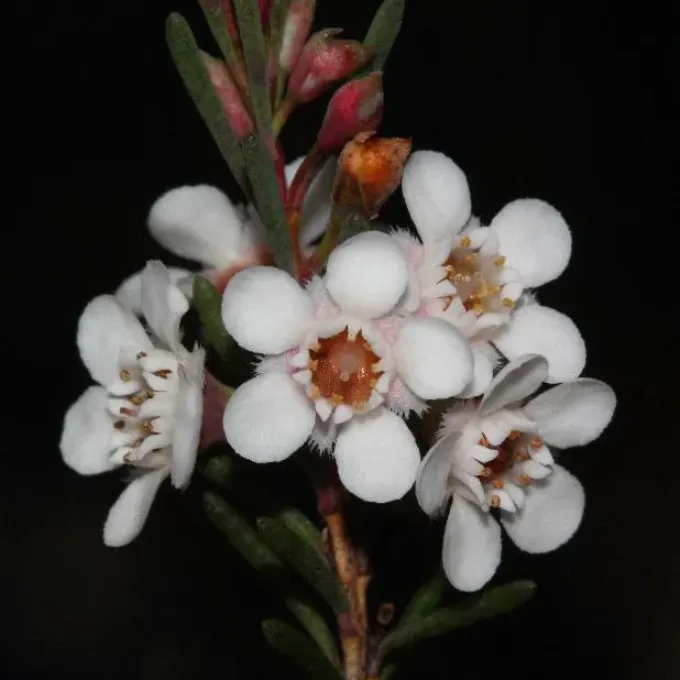
Description
Sowing dates
Propagation of Chamelaucium ciliatum is primarily achieved through cuttings, as seed germination is often inconsistent and slow. Semi-hardwood cuttings are taken after the flowering cycle to ensure they are at the right stage of maturity.
Cuttings should be treated with high-quality rooting hormones to encourage rapid development of the root system. Using a well-draining, sterile medium is crucial to prevent early-stage losses due to fungal infections.
The propagation environment must maintain a stable temperature between 20°C and 22°C. A misting system or high-humidity enclosure is recommended to keep the cuttings hydrated until root initiation occurs.
Once roots are established, the young plants are transplanted into individual containers. It is important to avoid disturbing the root ball during this process, as the roots are delicate and sensitive to handling.
Seed-grown plants, while less common, are used in breeding programs to introduce genetic diversity. These seeds require special scarification treatments to break dormancy before being planted in sandy soil.
Growing requirements
Chamelaucium ciliatum belongs to the Myrtaceae family and thrives in conditions similar to its native Australian habitat. It requires high light intensity and will not perform well in shaded or low-light environments.
Soil requirements are quite specific: the substrate must be sandy, acidic, and exceptionally free-draining. Any soil that retains excess moisture will likely result in root rot and plant death.
Climate control is vital; the plant is not frost-tolerant and thrives in temperate to Mediterranean-like conditions. In professional settings, greenhouses are used to protect the plants from extreme weather.
Water quality is a major factor in agronomy. The plant is sensitive to calcium-rich water, which causes chlorosis. It is highly recommended to use purified or softened water for irrigation.
Nutrition must be managed carefully, using low-phosphorus fertilizers designed for Proteaceae or Myrtaceae plants. Over-fertilization, especially with nitrogen or phosphorus, can weaken the plant's natural resilience.
Yield
Commercial yield is determined by the number of high-quality stems produced per bush. Proper pruning during the growing phase is essential to stimulate branching and increase the total harvest volume.
The productive lifespan of a planting typically lasts three to five years. After this period, the plants often become too woody, and the quality of the flowers decreases, necessitating field renewal.
Flower density is highly dependent on environmental conditions, particularly light availability and proper diurnal temperature shifts. High-quality stems are characterized by sturdy growth and vibrant, long-lasting flowers.
Advanced agricultural practices, such as supplemental lighting and automated fertigation, have significantly increased yield consistency in modern flower farms. These technologies allow for year-round or extended-season production.
Harvestable yield is also affected by pest management; healthy plants produce a higher percentage of "export-grade" stems, which command premium prices in international markets.
Main diseases and pests
Phytophthora root rot is the most serious threat to Chamelaucium ciliatum. Prevention relies entirely on excellent drainage, sterile cultivation tools, and rigorous monitoring of irrigation practices.
Pests such as aphids and two-spotted spider mites can cause significant damage in greenhouse environments. Integrated Pest Management (IPM) strategies, including biological controls, are highly effective.
Powdery mildew may occur when humidity levels are too high combined with poor air circulation. Improving ventilation within the greenhouse is the primary control measure for this disease.
Nutrient deficiencies, particularly magnesium or iron, appear as yellowing foliage. Regular soil and leaf tissue analysis is recommended to adjust fertilization programs before symptoms escalate.
Viral infections can severely impact production quality. Since they are often vector-transmitted, controlling insect populations is as much about disease management as it is about preventing direct feeding damage.
Harvesting
Harvesting is performed by hand to ensure that only the highest quality stems are selected. Stems are cut when approximately 50-70% of the flower buds have reached the desired color stage.
Immediate post-harvest cooling is essential to remove field heat and stabilize the flowers. This step significantly improves the vase life of the cut branches during distribution.
Flowers are sorted based on stem length, stem strength, and bud maturity. Uniformity in these categories is required for consistent bunching and packaging for retail or wholesale markets.
Using floral preservatives in the water buckets is standard practice to maintain hydration and protect against bacterial growth. This ensures the stems remain turgid during transit.
Proper documentation and labeling for each harvest batch allow for traceability, which is a requirement for meeting international floral quality standards and consumer demand for reliability.