
Chamelaucium hybrids
Hybrids between Chamelaucium uncinatum and Chamelaucium megalopetalum
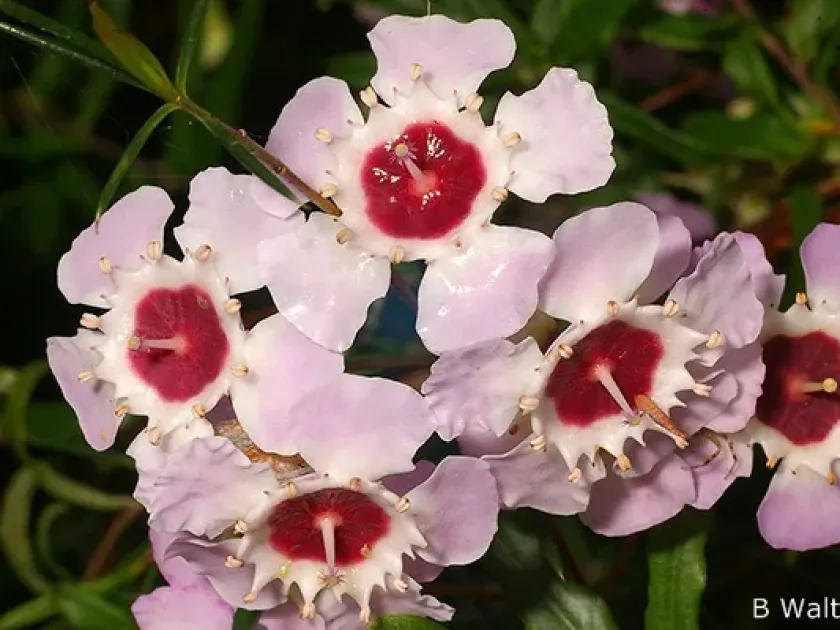
Description
Growing requirements
Hybrids derived from Chamelaucium uncinatum and Chamelaucium megalopetalum are prominent members of the Myrtaceae family. These evergreen shrubs are highly valued in the floriculture industry for their long-lasting, waxy, and vibrant blooms.
Native to Western Australia, these plants thrive in Mediterranean-style climates. Successful cultivation requires high light intensity, as inadequate sunlight leads to leggy growth and poor flower production.
Well-draining, sandy-loam soils are essential. The plants are extremely sensitive to waterlogged conditions, which can quickly lead to root decay and overall plant decline.
Temperature management is crucial; these hybrids generally prefer moderate temperatures between +15°C and +25°C. They are not frost-hardy and require protective measures in regions with significant temperature drops.
Regular pruning is a fundamental horticultural practice for these hybrids. It encourages denser branching, prevents the base of the plant from becoming woody and bare, and ensures high-quality stem production.
Yield
The primary economic output of these hybrids is high-quality cut flower stems. Yield potential is influenced by plant age, cultivar selection, and the implementation of precise agronomic management.
Commercial harvesting typically begins in the second or third year after planting. A healthy, mature bush can produce a substantial number of stems, provided it has been correctly pruned during the growing season.
Productivity is closely linked to soil nutrient management, particularly the need to avoid excess phosphorus, which can be toxic to many species within this genus.
Technological improvements in hybridization have resulted in varieties with more synchronized flowering times, which significantly simplifies the harvesting process for commercial growers.
- Use of micro-nutrients like iron for foliage health.
- Maintaining optimal soil pH balance.
- Strategic irrigation management during flower development stages.
Main diseases and pests
The most significant threat to Chamelaucium hybrids is Phytophthora root rot. This pathogen thrives in saturated soil conditions, making strict irrigation control the most vital preventive measure for commercial growers.
In humid or greenhouse environments, Botrytis (gray mold) can infect buds and leaves. Proper airflow and humidity management are essential to prevent the spread of this fungus.
Pests such as aphids and spider mites can infest tender new growth, causing leaf curling and reduced flower quality. Regular scouting is recommended to catch infestations early.
Mealybugs are also common and can be difficult to manage due to their waxy protective coating, which often shields them from standard chemical applications.
Integrated Pest Management (IPM) strategies, including the use of biological control agents and sanitized tools, are highly recommended to minimize reliance on intensive chemical interventions.
Harvesting
Harvesting is performed manually using clean, disinfected shears. Sanitization is a critical protocol to prevent the transmission of pathogens between plants during the harvesting process.
Stems are cut when at least 50% of the flowers on the spray are open. Following the cut, stems must be placed in water immediately to maintain turgidity and extend post-harvest life.
Post-harvest care involves grading stems by length and flower quality, followed by storage in cool conditions to slow down respiration and prevent wilting.
Efficient logistics are necessary to ensure that the product reaches the market while it remains fresh. Proper temperature control during transport is key to maximizing consumer satisfaction.
Once harvesting is complete, a period of rest and recovery is required. During this time, plants are lightly pruned and fertilized to support their health and prepare for the next production cycle.