
Hybrid bellflower Portenschlagiana and Poscharskyana
hybrids between Campanula portenschlagiana Schult. and Campanula poscharskyana Degen
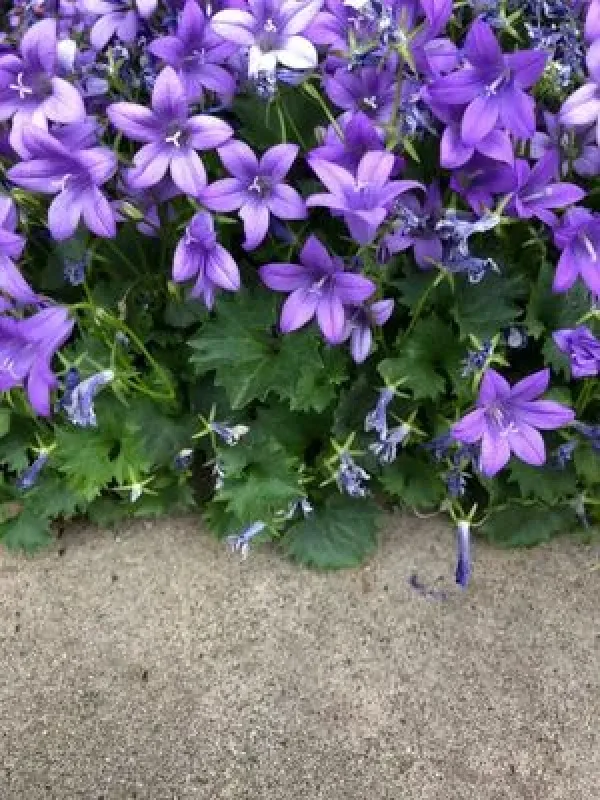
Description
Growing requirements
The hybrid bellflower, derived from Campanula portenschlagiana and Campanula poscharskyana, belongs to the family Campanulaceae. This herbaceous perennial is highly prized in horticultural practice for its vigorous growth and ability to form dense, flowering mats.
The plant thrives in full sun to partial shade. In regions with intense solar radiation, providing some afternoon shade is recommended to preserve the integrity of the foliage and extend the flowering period throughout the season.
Soil requirements focus on excellent drainage, as this hybrid is highly susceptible to root rot if left in standing water. A loose, well-draining soil with a neutral to slightly alkaline pH level creates the most favorable conditions for root development.
This variety exhibits strong climatic adaptability, surviving typical winter conditions in temperate zones. Proper mulching during the first year after planting helps protect the root system from extreme fluctuations in temperature and soil moisture.
The primary horticultural application for this hybrid includes rock gardens, wall crevices, and as a low-maintenance ground cover. Its cascading nature makes it an excellent choice for containers and hanging baskets where its flowers can be fully displayed.
Main diseases and pests
Slugs and snails are the most common pests, particularly in humid garden environments. Implementing cultural controls, such as clearing debris around the plant base, can significantly reduce the habitat available for these mollusks.
Powdery mildew represents a significant fungal threat, usually appearing during periods of high humidity and poor air circulation. Improving spacing between individual plants is the best preventative strategy to ensure consistent airflow and leaf dryness.
Root rot is primarily a symptom of poor site selection or over-watering. If the soil remains saturated for extended periods, the root system will quickly deteriorate, leading to the collapse of the entire plant structure.
Nematodes may occasionally infest the root system in specific soil types, leading to stunted growth. Using certified, pathogen-free planting stock is essential for preventing the introduction of these soil-borne pests into the garden.
Regular maintenance, including the removal of dead foliage and spent blooms, helps reduce the risk of secondary infections and ensures that the plant remains vigorous and resistant to common garden pathogens.