
Hybrids of Campanula isophylla and Campanula carpatica
Hybrids between Campanula isophylla and Campanula carpatica
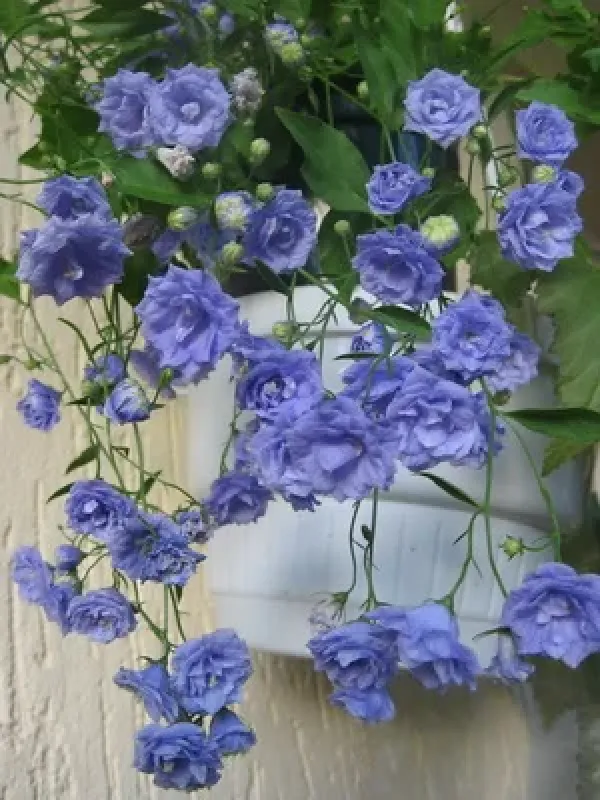
Description
Growing requirements
Hybrids of Campanula isophylla and Campanula carpatica are ornamental perennials belonging to the family Campanulaceae. These plants are valued for their vigorous growth and dense, abundant flowering, which makes them excellent for both container gardening and rockeries.
The cultivation of these hybrids requires a location with bright but indirect sunlight. Intense midday heat can cause the leaves to wilt, so choosing a spot with morning sun and afternoon shade is considered ideal for maintaining plant health.
Soil requirements are centered on high permeability and moderate nutrient content. A light, well-draining potting mix with a slightly alkaline pH is perfect. Excessive soil density often leads to root suffocation, which is a common cause of failure in this species.
Watering should be managed carefully to ensure the soil remains moist but never saturated. Over-watering is the most critical mistake in the care of these hybrids, as it directly promotes fungal development within the root system.
Temperature management is key for these plants; they perform best in temperate climates. During the growing season, temperatures between 18 and 22 degrees Celsius are optimal, while winter rest periods should be cooler to encourage future bloom formation.
Main diseases and pests
Slugs and snails are the most prominent pests, often targeting tender stems and leaves during wet weather, leading to significant foliage damage.
Spider mites are frequently encountered in indoor or greenhouse settings where the air is excessively dry, requiring the use of acaricides for management.
Root rot is the most common disease, which is typically a direct consequence of over-watering and improper drainage conditions in the pots or soil beds.
Powdery mildew represents a persistent risk during periods of high humidity and poor air circulation, causing a white dusty film on the leaves.
Preventative measures include avoiding overhead watering, ensuring proper spacing to improve airflow, and regular sanitation of the growing environment.