
Tube Clematis
Clematis tubulosa Turcz.
Description
Growing requirements
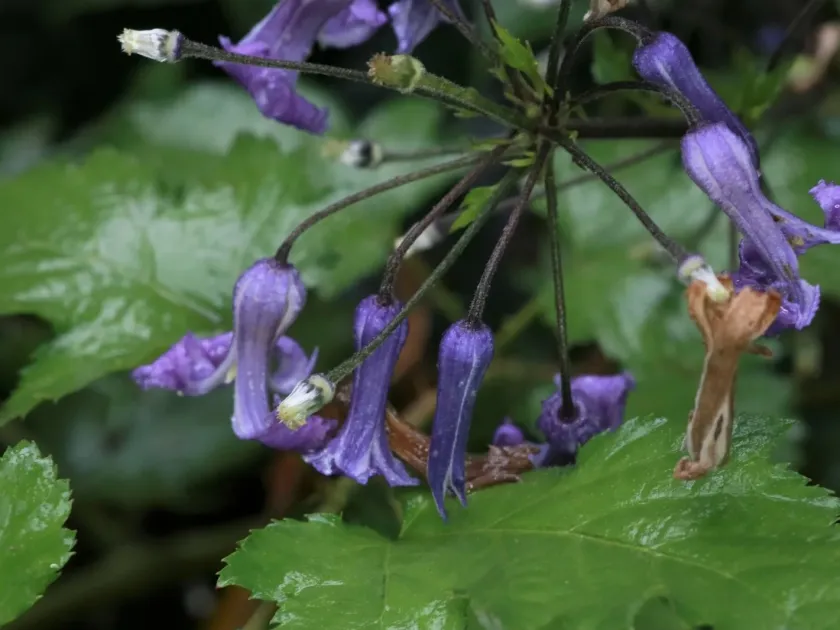
Tube Clematis (Clematis tubulosa Turcz.) is a distinct perennial subshrub belonging to the Ranunculaceae family. Unlike the well-known vining species, this plant produces erect, non-climbing stems, making it an excellent choice for flower beds and landscape compositions requiring vertical accents without support structures.
Native to East Asia, the plant thrives in temperate climates. It prefers locations with full sun to partial shade, specifically favoring morning light. Proper placement ensures that the plant develops strong stems and maintains its bushy habit throughout the growing season.
The ideal soil profile for this species includes well-drained, fertile, and slightly alkaline or neutral substrates. Growers should avoid heavy, compacted soils that promote waterlogging, as the root system of C. tubulosa is particularly susceptible to rot in saturated conditions.
Watering requirements are moderate; however, consistency is key. During the peak of the growing season, regular irrigation prevents the foliage from wilting. Applying a layer of organic mulch helps retain soil moisture and suppresses weeds, which can compete with the plant for nutrients.
Maintenance involves seasonal pruning to remove dead growth and promote healthy flowering. Providing a balanced fertilizer regimen in the spring facilitates vigorous growth and enhances the development of its characteristic blue, tubular-shaped flowers.
Main diseases and pests
Fungal diseases remain the primary threat to the health of Tube Clematis. Wilt, often caused by soil-borne pathogens, can cause sudden collapse of the stems. Proper soil drainage and avoiding overhead watering are the most effective preventive measures against these pathogens.
Powdery mildew may occur if the plant is situated in a location with poor air circulation. This disease manifests as a white, dusty coating on the leaves and can be managed using appropriate systemic fungicides when environmental conditions favor fungal spread.
Pests such as aphids and spider mites can infest the foliage, particularly during dry and hot spells. Regular monitoring of the underside of leaves and using biological control methods or insecticidal soaps can help keep pest populations below the economic injury level.
Nematodes are another concern in specific soil types, potentially stunting growth. Choosing healthy, disease-free nursery stock and maintaining soil vitality with organic amendments can help mitigate these underground threats.
Proactive garden management, including the removal of debris in autumn and cleaning tools between plants, significantly reduces the pressure from pests and diseases, ensuring the longevity and ornamental value of the planting.