
Huperzia varia
Huperzia varia
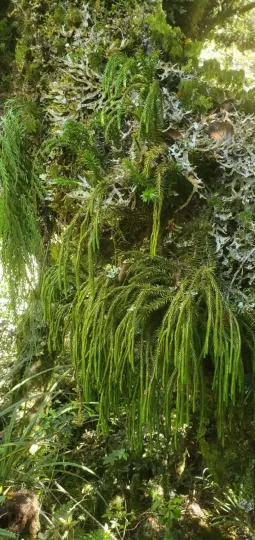
Description
Growing requirements
Huperzia varia is a member of the Huperziaceae family. This species is native to tropical and subtropical regions, where it typically grows as an epiphyte on tree trunks or in moist rocky crevices.
Cultivation requires a specialized growing medium. A mixture of orchid bark, perlite, and long-fibered sphagnum moss provides the necessary aeration and moisture retention that the root system demands.
The plant thrives in high humidity conditions, ideally ranging from 70% to 90%. Maintaining such humidity levels is essential for the healthy development of its delicate, branching fronds.
Bright, indirect light is necessary for photosynthesis without the risk of leaf scorching. Direct sunlight is strictly avoided as it damages the sensitive tissues of the plant and causes dehydration.
Consistent temperature maintenance is crucial. The environment should be kept cool to moderate, avoiding extremes that could stress the plant and inhibit its vegetative growth patterns.
Main diseases and pests
Root pathogens are the most significant threat to Huperzia varia. These are usually facilitated by stagnant water and a lack of proper oxygen flow within the potting medium.
Pests such as scale insects and spider mites are frequent invaders. They feed on the sap and can quickly colonize the plant if the ambient environment becomes too dry or warm.
Fungal infections, which manifest as dark spots on the foliage, are often a sign of over-watering. Immediate reduction of moisture and improved air circulation are primary corrective actions.
Lack of hygiene in the greenhouse or growing area can lead to the spread of spores from other plants, causing cross-contamination and the development of various blights.
Preventative care involving systemic fungicide treatment is generally not recommended unless an active infection is present, due to the extreme sensitivity of this species to chemical compounds.