
Huperzia miyoshiana
Huperzia miyoshiana
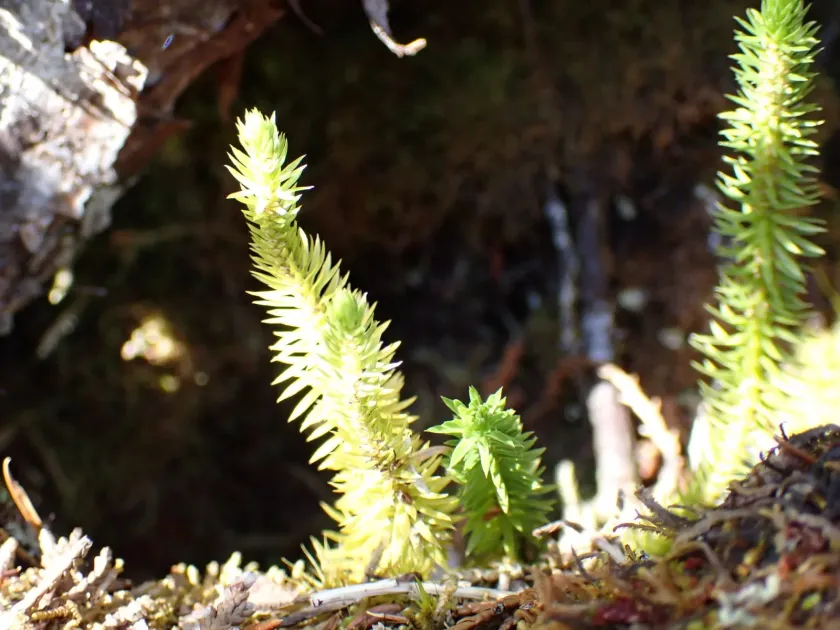
Description
Growing requirements
Huperzia miyoshiana is a perennial vascular spore-bearing plant belonging to the Huperziaceae family. This species represents a unique group of plants known for their primitive structure and specific ecological preferences within temperate forest ecosystems.
The plant is native to East Asia, primarily inhabiting regions of Japan and the Russian Far East. It is typically found in humid, shaded forest understories, where it thrives on moist mossy substrates and decaying organic matter found in cool, sheltered environments.
Botanically, it is characterized by its dichotomously branching, upright stems that form dense clumps. The microphylls are typically lanceolate, closely appressed to the stem, and arranged in a spiral pattern, providing the plant with a distinctive, dense, and evergreen appearance.
Cultivation requirements necessitate high humidity levels and a stable, cool microclimate. The plant does not tolerate high temperatures or dry air, which can quickly dehydrate the sensitive tissues of its stems and prevent proper spore development.
For soil management, Huperzia miyoshiana requires a well-drained, acidic substrate rich in organic matter. Its dependence on mycorrhizal fungi for nutrient uptake makes it challenging to cultivate outside of natural or closely simulated forest conditions.
Main diseases and pests
Fungal pathogens associated with waterlogging and poor soil aeration are the primary threats to Huperzia miyoshiana. When moisture levels are not managed correctly, the plant becomes susceptible to root rot and stem decay, which are often fatal.
In greenhouse settings, spider mites may emerge as common pests. These arachnids can cause significant damage by feeding on the sap of young shoots, leading to stunted growth and loss of plant vigor if left untreated.
Environmental stress, particularly excessive sunlight and temperature fluctuations, poses a major risk. These conditions lead to photosynthetic damage and make the plant significantly more vulnerable to secondary opportunistic infections by pests and pathogens.
The disruption of the natural soil mycorrhizal network remains a critical barrier to successful growth. Introducing synthetic fertilizers often proves harmful, as it can upset the delicate balance between the plant and its symbiotic fungal partners.
Preventative measures involve maintaining a stable environment, ensuring consistent airflow, and avoiding overcrowding. Proper sanitation of the growing environment is essential to mitigate the risk of pathogen spread while preserving the plant's delicate symbiotic biological structure.