
Huperzia nummulariifolia
Huperzia nummulariifolia
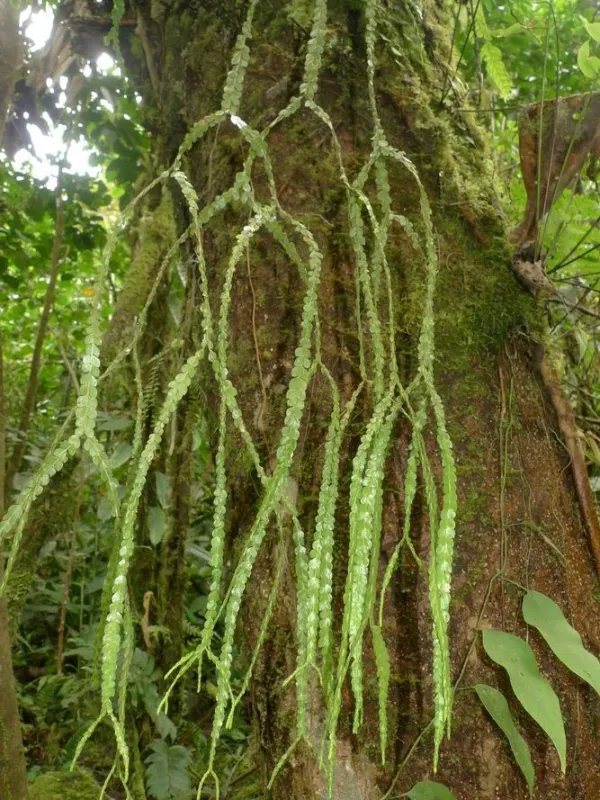
Description
Growing requirements
Huperzia nummulariifolia is a fascinating epiphytic species belonging to the family Huperziaceae. Originating from the tropical rainforests of Southeast Asia, this plant naturally thrives in humid environments, typically attached to tree trunks or rocky substrates where it receives filtered light and high atmospheric moisture.
To cultivate this species successfully, growers must maintain a tropical environment with temperatures consistently between 18°C and 25°C. The plant is sensitive to cold drafts and rapid temperature fluctuations, which can cause significant stress or dieback of its delicate, coin-shaped foliage.
The growing medium should be exceptionally well-draining, mimicking the epiphytic conditions of its native habitat. A mixture of orchid bark, sphagnum moss, perlite, and a small portion of peat is ideal for maintaining the necessary acidity and air circulation required for the root system to remain healthy.
Light requirements for Huperzia nummulariifolia involve bright, indirect exposure. Direct sunlight can scorch the stems and leaves, leading to irreversible damage. Indoor growers often use light-filtering curtains or placement away from south-facing windows to ensure the light intensity is suitable for healthy growth.
Proper water management is essential for this species. Watering should be done using soft or distilled water once the top layer of the substrate shows signs of slight drying. Constant high humidity is critical; therefore, regular misting or the use of an automatic humidifier is recommended to prevent leaf tip necrosis.
Main diseases and pests
The primary threats to Huperzia nummulariifolia include root rot and fungal infections, typically triggered by overwatering or poor ventilation within the growing environment. Ensuring that the substrate remains moist but never waterlogged is the most effective preventative measure.
Pest issues usually involve infestations of spider mites or scale insects, especially in environments with inadequate air movement. Integrated pest management strategies, including regular inspections and the application of mild, plant-safe insecticides, are recommended to maintain plant vitality.