
Fir clubmoss
Huperzia serrata
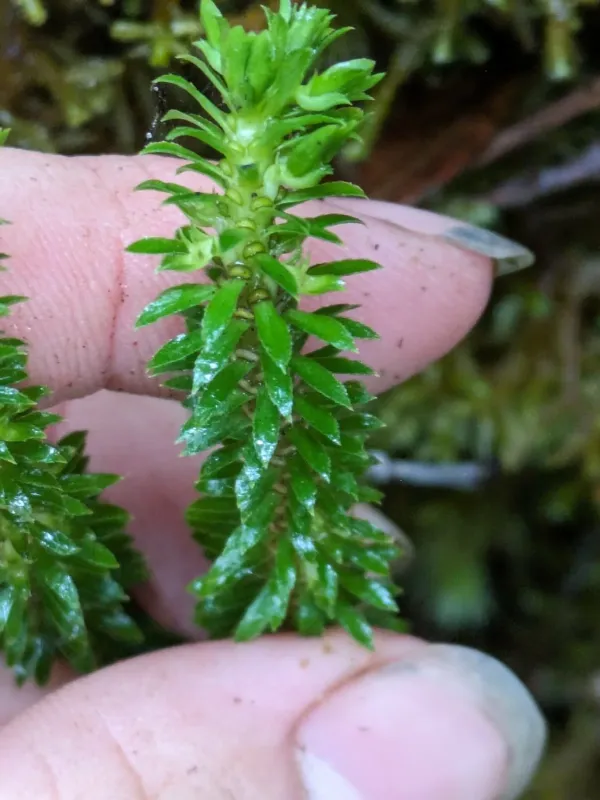
Description
Growing requirements
Huperzia serrata, commonly known as Fir clubmoss, is a perennial vascular plant belonging to the Huperziaceae family. It is native to the forests of East and Southeast Asia, where it thrives in moist, shaded environments.
The species requires a highly specific ecological niche, characterized by stable high humidity and cool temperatures. It typically grows on soil rich in leaf litter and organic matter within old-growth forest understories.
Soil requirements involve a slightly acidic substrate that supports symbiotic mycorrhizal fungi, which are essential for the germination of the plant's gametophytes. Without these fungal partners, the plant cannot complete its life cycle.
Cultivation practices are extremely challenging, as the plant grows very slowly and remains sensitive to environmental fluctuations. Artificial propagation is rarely successful on a commercial scale, leading to significant pressure on wild populations.
The plant is globally recognized for its pharmacological potential. It serves as the primary natural source of Huperzine A, an alkaloid used in the treatment of various neurodegenerative diseases, including Alzheimer's disease.
Main diseases and pests
Pathogenic fungi represent a major threat to cultivated Fir clubmoss, especially in environments where air circulation is poor or humidity levels exceed the plant's tolerance. Root rot and damping-off are common issues.
In greenhouse settings, pests such as spider mites and slugs can cause significant damage to the delicate foliage. Furthermore, habitat degradation and climate change remain the most severe threats to the survival of natural stands of this species.