
Huperzia squarrosa
Huperzia squarrosa
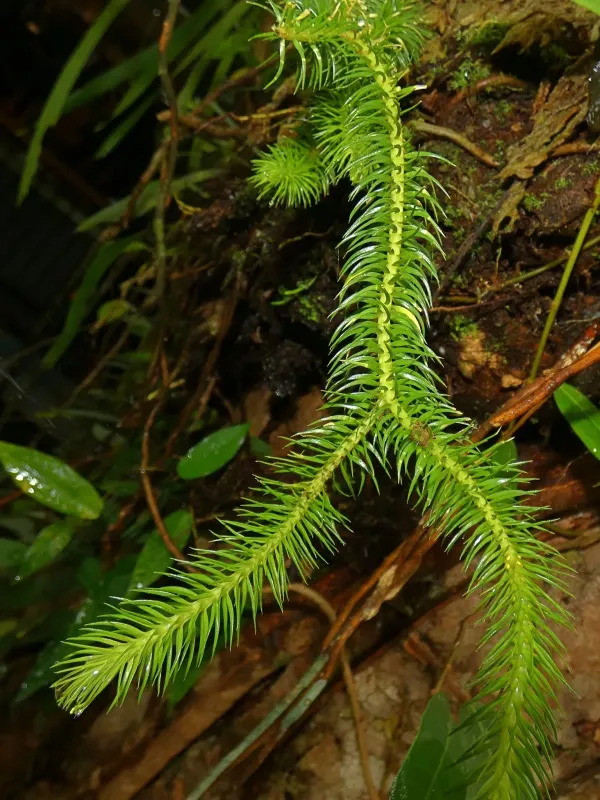
Description
Growing requirements
Huperzia squarrosa, commonly known as a type of tassel fern, is a member of the Lycopodiaceae family. It is a striking epiphytic plant native to the tropical forests of Southeast Asia, characterized by its long, dichotomously branched stems that hang downwards.
The cultivation of this species requires a high level of environmental control, primarily focusing on maintaining high ambient humidity, ideally above 70 percent. It thrives in shaded environments, mimicking the light conditions found under dense forest canopies.
The growing medium must be highly porous and moisture-retentive but well-draining. A typical cultivation mix includes orchid bark, long-fiber sphagnum moss, and perlite, which ensures the root system receives proper aeration and prevents waterlogging.
Temperature management is crucial, as the plant prefers stable conditions between 20 and 25 degrees Celsius. It is highly sensitive to cold drafts and rapid temperature fluctuations, which can cause significant stress or dieback of the delicate foliage.
Watering should be done with soft, dechlorinated water to avoid mineral buildup. Because it is an epiphyte, the plant derives moisture and limited nutrients from its surroundings, so fertilization should be kept minimal and highly diluted during the growing season.
Main diseases and pests
The primary threats include root rot and fungal stem infections, which are almost exclusively caused by overwatering or insufficient drainage in the growth substrate.
Pest issues often involve spider mites during periods of low humidity, as well as mealybugs that can hide within the dense clusters of leaves, requiring careful manual removal or targeted biological control.