
Huperzia sieboldii
Huperzia sieboldii
Description
Growing requirements
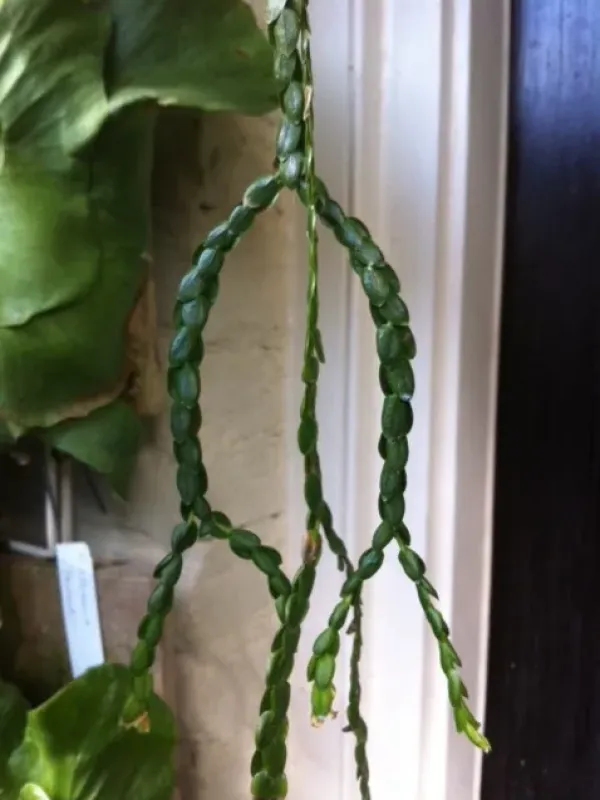
Huperzia sieboldii, belonging to the Huperziaceae family, is a distinct perennial plant known for its trailing growth habit. It is native to the temperate and subtropical forests of East Asia, where it thrives in humid environments as an epiphyte on tree trunks or on rocky outcrops.
The plant features dichotomously branched stems adorned with small, needle-like leaves that create a lush, cascading appearance. This unique architecture makes it a sought-after specimen for specialized horticultural collections and indoor green installations.
For successful growth, the cultivation environment must replicate its natural forest floor or tree-branch habitat. This requires high ambient humidity levels and protection from direct sunlight, which can easily damage the sensitive photosynthetic tissues of the plant.
The choice of growing medium is critical for the health of the root system. A well-draining, acidic substrate composed of bark, long-fiber sphagnum moss, and perlite is essential to ensure adequate airflow and prevent the roots from becoming waterlogged.
Huperzia sieboldii is primarily utilized for its aesthetic value in high-end landscaping and botanical displays. Due to its slow growth rate and specific environmental demands, it is considered an advanced crop for professional growers and dedicated hobbyists.
Main diseases and pests
The most significant threat to the vitality of the plant is root rot, typically caused by improper drainage or excessive moisture levels in the substrate. Maintaining a proper balance between humidity and aeration is the key to preventing fungal proliferation.
Pest management should focus on early detection of spider mites and scale insects, which often colonize the underside of the foliage. Implementing a regular misting schedule helps suppress mite activity while promoting overall plant vigor.