
Huernia hislopii
Huernia hislopii
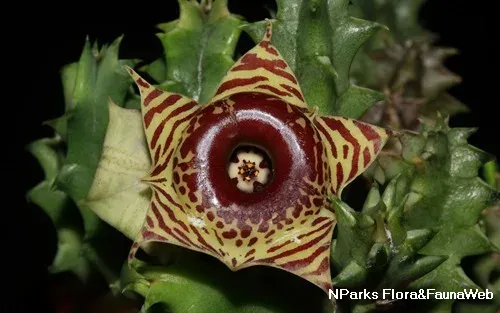
Description
Growing requirements
Huernia hislopii is a member of the Apocynaceae family, known for its unique succulent stems and intricate, star-shaped flowers. It is primarily cultivated as a specialized ornamental plant in controlled environments.
This species requires a bright, indirect light environment to maintain its structural integrity. While it can tolerate some morning sun, prolonged exposure to harsh midday light is detrimental and can cause scorching on the stems.
The substrate must be highly porous and inorganic. A professional succulent mix should consist of components like pumice, lava rock, or coarse sand, ensuring that water drains away from the roots instantly to mimic its natural arid habitat.
Temperature control is essential for cultivation. During the growing season, temperatures should range between 20°C and 28°C. During dormancy in winter, the plant benefits from cooler temperatures, ideally between 12°C and 15°C.
Watering frequency should be strictly regulated. It is recommended to water only when the growing medium is completely dry. In the winter months, watering should be significantly reduced or suspended to prevent stem rot.
Main diseases and pests
The primary threat to Huernia hislopii is overwatering, which leads to rapid development of root and basal rot. Once the rot reaches the main stem, the plant often becomes difficult to save through cutting propagation.
Mealybugs are the most common pests associated with this plant. They tend to cluster in the recessed areas of the stems, making them hard to detect until the infestation is advanced. Manual removal or systemic insecticides are required.
Spider mites can become an issue in environments with consistently low humidity. These pests damage the epidermis of the stems, creating unsightly scars that reduce the plant's ornamental value and overall vigor.
Fungal infections can occur when the plant is kept in humid, stagnant air. Improving airflow around the plant is a critical cultural practice to prevent the colonization of pathogenic fungi on the plant body.
Poor soil hygiene, such as using reused potting medium without heat sterilization, can introduce root-feeding nematodes. These pests stunt growth and make the plant highly susceptible to secondary bacterial infections.