
Hosta yingeri
Hosta yingeri S. B. Jones
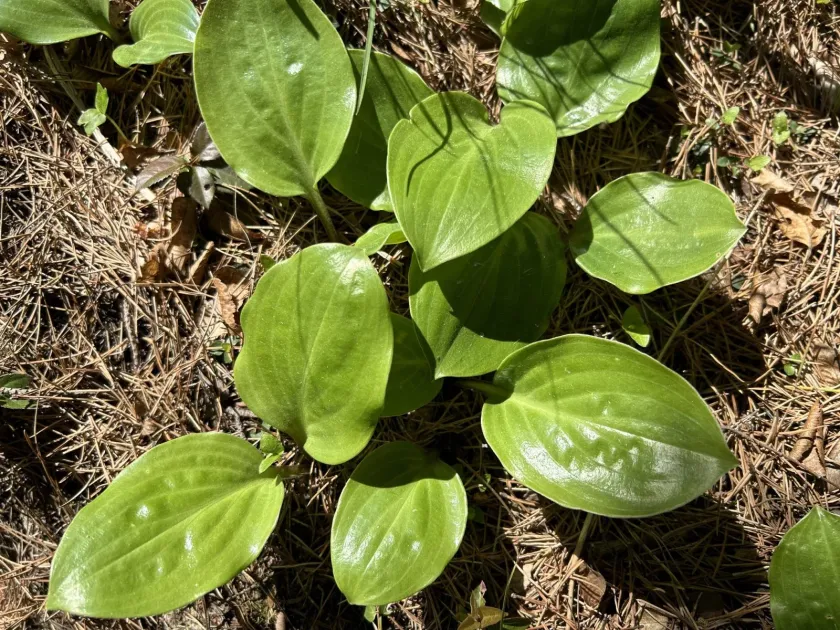
Description
Growing requirements
Hosta yingeri is a rare and distinct perennial species belonging to the Asparagaceae family. Originally discovered on the South Korean island of Sökdo, it has gained recognition among collectors for its glossy, dark green foliage and resistance to certain environmental stresses.
This species thrives in shaded to semi-shaded garden environments. Unlike many other hosta varieties, it shows excellent adaptability to dappled light, which preserves the deep, lustrous color of its leaves and prevents early-season wilting.
Successful cultivation requires soil that is rich in organic matter and maintains consistent moisture. While Hosta yingeri prefers well-draining soil, it performs best when the substrate remains slightly damp, similar to its native cliffside habitats.
Planting depth should be consistent with the nursery container to avoid crown rot. Providing a layer of organic mulch around the base helps stabilize soil temperature and conserve moisture during the warmer summer months.
In terms of maintenance, this plant is relatively low-input. It does not require frequent division and can remain undisturbed for many years, as long as it receives adequate nutrients through spring fertilization with a balanced, slow-release compound.
Main diseases and pests
Slugs and snails are the primary pests affecting Hosta yingeri. Their feeding patterns can quickly defoliate the plant, leaving ragged edges on the leaves that significantly detract from the plant's ornamental appeal.
Fungal pathogens such as Phyllosticta leaf spot can occur if humidity levels are too high and airflow is restricted. Proper spacing during planting is essential to allow for natural evaporation of moisture from the foliage.
Root rot, caused by various soil-borne fungi, often results from waterlogged conditions. Ensuring that the planting site has adequate drainage is the most effective preventative measure against these infections.
The Hosta Virus X (HVX) poses a significant risk to the longevity of the plant. Since there is no cure, rigorous sanitation of pruning tools is critical, as the virus is easily transmitted through contaminated blades.
Integrated Pest Management (IPM) strategies, including physical barriers like copper tape or crushed eggshells, are recommended to protect the foliage from mollusks without relying solely on harsh chemical pesticides.