
Hosta minor
Hosta minor (Baker) Nakai
Description
Growing requirements
Hosta minor is a miniature perennial species belonging to the Asparagaceae family. Native to parts of East Asia, including Korea and Japan, this plant naturally thrives in moist, shaded environments such as rocky slopes and forest edges.
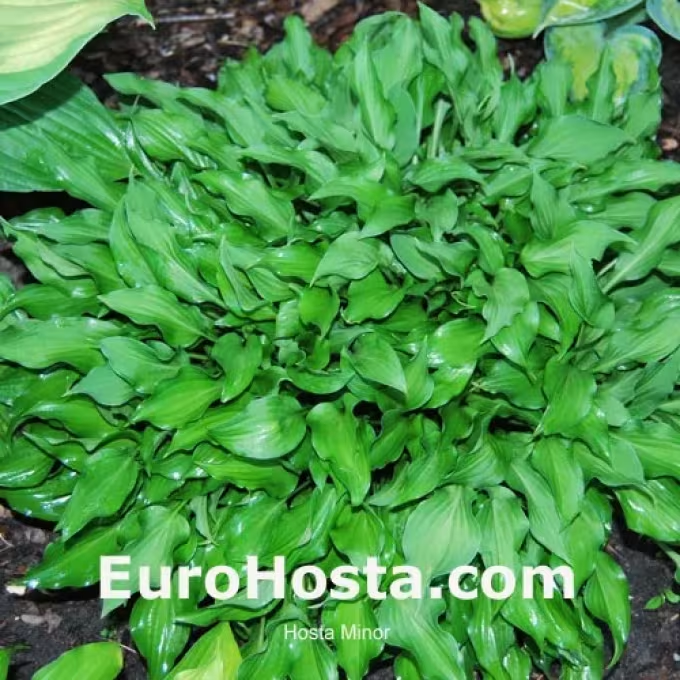
The plant is distinguished by its small, compact growth habit, forming dense rosettes of narrow, lance-shaped green leaves. Typically reaching heights of only 15–20 cm, it produces elegant, violet-colored bell-shaped flowers on slender stalks during the peak growing season.
Regarding climatic requirements, Hosta minor prefers sheltered areas with partial to full shade. While it is hardy in various climates, protecting the foliage from intense midday sun is essential to prevent scorching and to maintain the rich pigmentation of the leaves.
Soil quality is paramount for successful cultivation. The species thrives in fertile, well-draining, and moisture-retentive loamy soils. Incorporating organic matter, such as leaf mold or well-rotted compost, helps maintain the necessary soil structure and nutrient levels.
Proper agronomic maintenance includes consistent watering during dry spells, ensuring the root zone stays moist but not waterlogged. Mulching the base of the plant is recommended to regulate soil temperature and inhibit the growth of unwanted weeds around the small rosettes.
Main diseases and pests
Slugs and snails are the most significant pests for Hosta minor. These mollusks can rapidly damage the leaves, especially in damp weather, necessitating regular monitoring and the use of physical barriers or organic molluscicides to protect the plant's aesthetic value.
Fungal diseases like Botrytis (gray mold) can occur in poorly ventilated or excessively humid conditions. Pruning damaged leaves and ensuring adequate air circulation between plants are effective preventive measures for maintaining a healthy garden display.
Root rot, often caused by poor drainage or excessive soil moisture during the dormant season, is another potential threat. Enhancing the soil drainage in the planting site is a crucial step in preventing fungal degradation of the rhizomes.
The Hosta Virus X (HVX) is a serious concern that causes unsightly spotting and tissue malformation. Since there is no cure, rigorous sanitation, including the sterilization of tools and the prompt removal of infected plants, is mandatory to prevent spread.
Foliar nematodes are microscopic pests that cause necrotic streaks on the leaves. These infestations are difficult to treat, reinforcing the importance of starting with disease-free nursery stock and maintaining optimal plant vigor through balanced fertilization.