
Hosta plantaginea
Hosta plantaginea (Lam.) Asch.
Description
Growing requirements
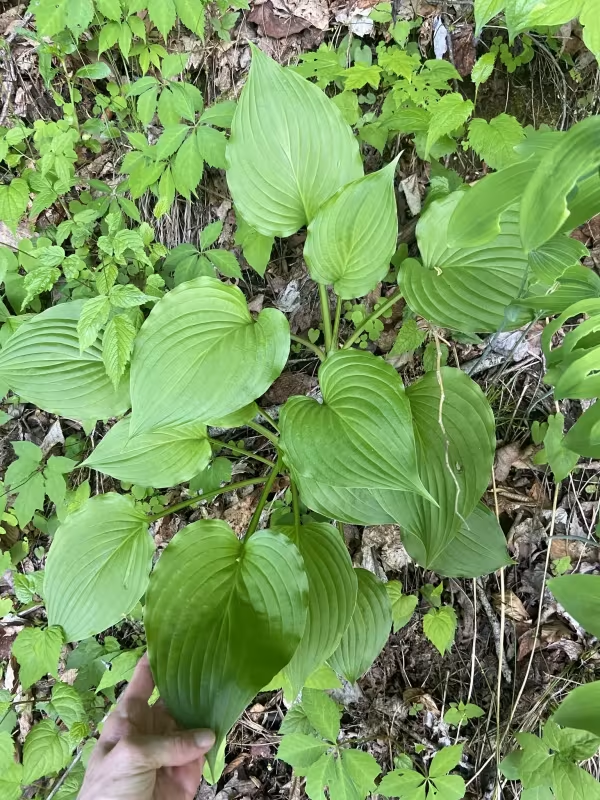
Hosta plantaginea, commonly known as the fragrant hosta, is a perennial flowering plant belonging to the Asparagaceae family. Originating from China, it is celebrated for its lush, heart-shaped, bright green foliage and large, fragrant white flowers that bloom in late summer.
This species thrives in partial to full shade, though it is more tolerant of sun exposure than most other hosta varieties. When planted in brighter spots, it requires consistent moisture to prevent leaf scorching and ensure it maintains its vibrant appearance throughout the growing season.
The ideal soil conditions for this crop include deep, nutrient-rich, and well-draining soil with a slightly acidic to neutral pH. Incorporating organic matter such as compost or well-rotted manure during planting improves soil structure and moisture retention, which is critical for healthy root development.
Proper water management is essential; the soil should remain moist but never waterlogged. Drip irrigation or careful hand watering at the base of the plant is recommended to keep the foliage dry, which significantly reduces the risk of fungal infections and aesthetic damage.
Maintenance practices involve applying a balanced slow-release fertilizer in early spring and mulching the base of the plants to suppress weeds and conserve soil moisture. The plant is relatively hardy, but in colder climates, it benefits from a layer of mulch to protect the rhizomes from freezing temperatures.
Main diseases and pests
Slugs and snails are the most significant pests for Hosta plantaginea, as they feed on the foliage and can quickly disfigure the plant. Integrated pest management, including using physical barriers, beer traps, or iron phosphate baits, is recommended for effective control.
Fungal diseases, specifically leaf spot (Phyllosticta) and crown rot, can occur in damp, poorly ventilated environments. Ensuring adequate spacing between plants and avoiding overhead irrigation can help mitigate these risks and prevent the spread of spores.
The Hosta Virus X (HVX) is a serious concern, characterized by mottled patterns, discolored streaks, and plant stunting. Since there is no cure, strict hygiene protocols must be followed, including disinfecting all gardening tools after working with suspected plants and purchasing certified disease-free stock.
Root-knot nematodes can also affect the plant, leading to yellowing and stunted growth. Because chemical control is difficult once an infestation is established, gardeners should prioritize soil health and sanitation to create an environment where the plant is less susceptible to parasitic attacks.
Foliar nematodes may also cause necrotic patches between leaf veins during the late summer months. To manage this, promptly remove and destroy any affected leaves and avoid getting water on the leaves during irrigation, as splashing water is a primary vector for spreading nematode larvae.