
Hosta Tardiana
Hosta tardiana Hort.
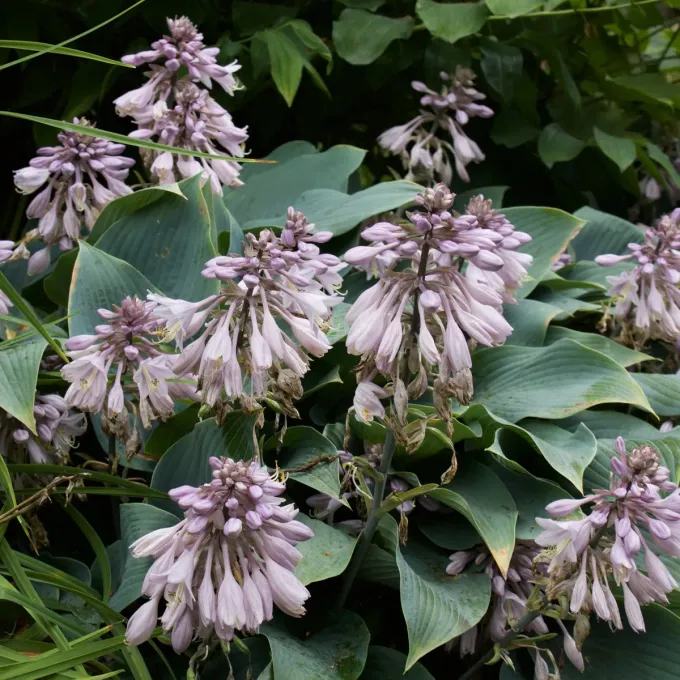
Description
Growing requirements
Hosta Tardiana belongs to the Asparagaceae family and is a prized group of hybrid perennials. These plants are widely recognized for their compact habit and distinctively textured foliage, making them a staple in temperate climate gardens.
For optimal growth, this cultivar requires partial to full shade. While they can tolerate morning light, intense afternoon sun will likely scorch the leaves, leading to irreversible aesthetic damage to the plant's canopy.
Soil conditions are critical for Hosta Tardiana. It thrives in well-drained, nutrient-rich soil that is high in organic matter. A slightly acidic to neutral pH is ideal for promoting vigorous root development and leaf color intensity.
The agricultural practice for this plant centers on moisture management. Consistent irrigation is essential to keep the soil evenly moist. During hot spells, mulching is highly recommended to retain moisture and regulate soil temperature.
In terms of usage, Hosta Tardiana is a versatile ornamental plant. It is frequently employed in border landscaping, as a focal point in shade gardens, or as a container-grown specimen for patios and porches.
Main diseases and pests
Slugs and snails are the most significant pests for Hosta Tardiana. They feed on the succulent leaves, causing irregular holes that detract from the plant's structural beauty and overall health.
Viral infections, specifically the Hosta Virus X (HVX), are a serious threat. This disease is systemic and causes mottling, distorted leaves, and yellowed streaks, requiring the immediate removal of infected specimens.
Fungal issues, including crown rot, often result from poor soil drainage and stagnant water around the root base. These pathogens thrive in waterlogged conditions and can be fatal to the hosta plant if not addressed.
Maintenance to prevent these issues involves maintaining proper plant spacing to allow airflow and keeping the surrounding garden bed clean of debris where pests might hide.
Effective management strategies include the use of iron phosphate baits for slug control and strict sanitation practices to prevent the mechanical transmission of viruses between plants during gardening activities.