
Hosta longipes
Hosta longipes (Franch. & Sav.) L. H. Bailey
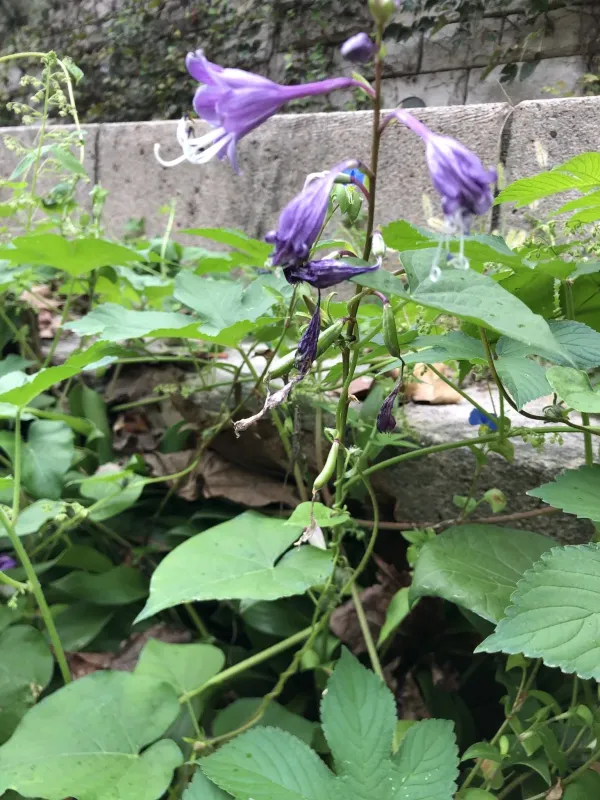
Description
Growing requirements
Hosta longipes is a perennial herbaceous plant belonging to the Asparagaceae family. Native to Japan, this species is naturally found in moist, shaded mountain forests and on rocky terrain, which dictates its preference for specific growing conditions.
To cultivate this plant successfully, one must provide a shady environment that protects it from direct sunlight, which can scorch its delicate foliage. The ideal soil profile consists of loose, humus-rich substrate with excellent drainage and consistent moisture levels.
The botanical features of Hosta longipes include long petioles that elevate the dark green, heart-shaped leaves, creating a graceful habit. This plant is valued for its slow-growing nature and its ability to establish sturdy root systems over several years.
Agricultural practices for this crop involve regular irrigation during dry spells to prevent wilting. Applying organic mulch is a highly recommended practice, as it helps conserve soil moisture, regulates temperature, and discourages weed germination around the base of the plant.
Economically, Hosta longipes is utilized exclusively as an ornamental plant in landscape gardening. It serves as a structural element in shade-loving plant combinations and is often selected for its resilience and ability to provide lush texture in difficult, low-light garden areas.
Main diseases and pests
The primary pests affecting this hosta species are slugs and snails, which can cause severe aesthetic damage by chewing holes in the leaves. Gardeners often rely on physical barriers, traps, or iron phosphate baits to mitigate this pressure in damp environments.
Fungal issues such as crown rot can occur if the planting site lacks sufficient drainage, leading to waterlogging. It is vital to ensure good air circulation around the plants and to avoid overhead watering whenever possible to prevent the development of foliage diseases.