
Hosta capitata
Hosta capitata (Koidz.) Nakai
Description
Growing requirements
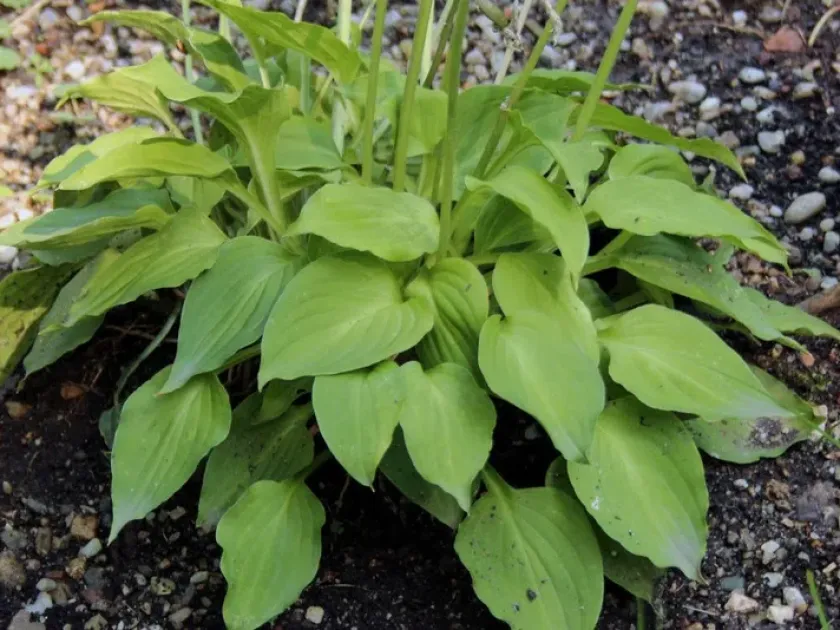
Hosta capitata is a species of herbaceous perennial plant belonging to the Asparagaceae family, known for its distinct compact growth habit and foliage.
Native to East Asia, specifically Japan and Korea, this plant naturally thrives in forested regions and rocky habitats, adapting to cool and moist microclimates.
Its botanical features include heart-shaped leaves forming a dense mound and unique, capitate-shaped inflorescences that bloom on sturdy scapes during the mid-summer season.
To ensure optimal development, gardeners should provide a site with dappled shade, as the foliage is susceptible to leaf scorch under direct intense sunlight.
The ideal growing medium is a humus-rich, well-drained soil that retains moisture effectively, which is essential to support the plant's broad, transpiring leaves.
Main diseases and pests
Slugs and snails are the most prominent pests for Hosta capitata, as they are attracted to the succulent foliage and can cause significant aesthetic damage.
Fungal pathogens such as leaf spot or crown rot may occur, particularly if the plants are situated in areas with stagnant air and poor soil drainage.
Integrated pest management strategies, such as baiting for mollusks or hand-picking during damp weather, are effective ways to protect the plant's appearance.
Proper sanitation, including the removal of dead foliage in the autumn, helps reduce the overwintering sites for both pests and fungal spores.
Ensuring proper spacing between plants is critical to minimize the risk of humidity-related diseases and to encourage healthy air circulation around the crown.