
Fortune's plantain lily
Hosta fortunei (Baker) L. H. Bailey
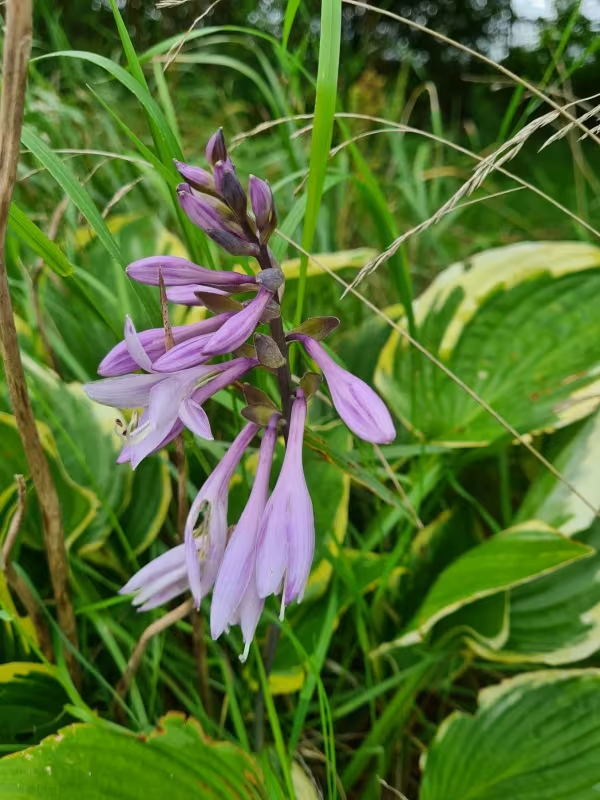
Description
Growing requirements
Fortune's plantain lily (Hosta fortunei) is a classic ornamental perennial belonging to the Asparagaceae family. It is widely cultivated for its bold, architectural foliage which forms a dense, mound-like habit, making it an essential element for shaded landscapes.
Originating from East Asia, this plant has adapted to woodland environments, which dictates its preference for dappled sunlight and consistently moist, humus-rich soils. It serves as a staple in ornamental horticulture across temperate zones worldwide.
Successful cultivation requires a location with protection from harsh afternoon sun, which can scorch the leaves and degrade the plant's aesthetic value. The soil should be well-drained but have excellent water-retention capacity, typically achieved by incorporating organic matter or compost.
Maintenance involves routine irrigation during dry periods and mulching to keep roots cool and suppress weed competition. Fertilization should be moderate; a balanced slow-release fertilizer applied in early spring is generally sufficient for healthy vegetative growth.
The plant demonstrates high hardiness, surviving cold winters with ease. Its longevity makes it a low-maintenance choice for permanent garden borders, provided the site is well-prepared and the plant is spaced correctly to allow for steady expansion over the years.
Main diseases and pests
Slugs and snails are the primary pests of Hosta fortunei, often causing significant foliage damage. Integrated pest management strategies, such as physical barriers like crushed eggshells or copper tape, alongside safe molluscicide baits, are recommended for protection.
Fungal diseases, including Botrytis and crown rot, can occur if drainage is poor or if plant density is too high, preventing proper air circulation. Affected foliage must be removed promptly to prevent the spread of spores, and fungicides may be necessary in extreme cases.
Hosta Virus X (HVX) is a serious concern, characterized by patchy discoloration, crinkling, or necrosis of leaf tissues. Since this virus is systemic and incurable, sanitation tools must be disinfected, and infected plants should be completely removed and discarded.
Foliar nematodes are microscopic pests that cause browning between the leaf veins. Monitoring for these symptoms is crucial, as they can weaken the plant over several seasons; prevention through healthy stock selection is the primary defense strategy.
Damping-off or root-related issues often stem from overwatering, especially in heavy clay-based soils. Ensuring a porous soil structure through the addition of grit or perlite is essential to prevent root asphyxiation and maintain the long-term vigor of the perennial.