
Hosta clausa
Hosta clausa Nakai
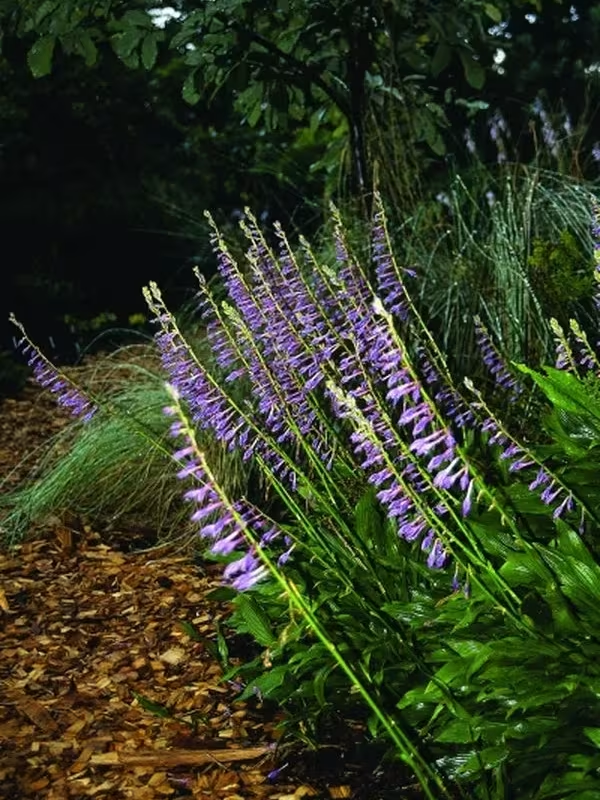
Description
Growing requirements
Hosta clausa, commonly known as the closed hosta, is a perennial flowering plant belonging to the Asparagaceae family. Native to the Korean Peninsula and parts of Northeast Asia, it is naturally adapted to forest floors and moist, sheltered habitats.
Botanically, this species is distinguished by its unique flower structure: the racemes produce purple flowers that remain tightly closed throughout the blooming period. It features narrow, lance-shaped leaves that create a lush, spreading mound, making it an excellent groundcover.
To thrive, this plant requires moist, humus-rich soil with good drainage. It is highly shade-tolerant, which makes it ideal for areas under tree canopies or on the north side of buildings where direct afternoon sun is absent.
The agricultural management of this plant involves consistent irrigation, especially during dry spells, to prevent leaf scorch. Applying a layer of mulch in the spring helps retain moisture, suppress weeds, and supply long-term nutrients to the root system.
In landscaping, Hosta clausa is prized for its ability to quickly colonize shaded areas, creating a dense green carpet. It is frequently used in woodland gardens, perennial borders, and as a low-maintenance filler in decorative planting schemes.
Main diseases and pests
Slugs and snails are the most significant pests for Hosta clausa. They can severely damage the foliage, causing ragged edges and holes, which can spoil the aesthetic value of the plant in a landscape setting.
Fungal issues, such as crown rot or leaf spot, may occur if the soil remains waterlogged or if air circulation is insufficient. Ensuring proper spacing and a well-drained planting site are the best cultural defenses against these conditions.
Hosta Virus X (HVX) is a persistent threat that causes mottled, mosaic-like patterns on the leaves. Because there is no chemical control for this virus, infected plants should be removed and destroyed to prevent spreading.
Foliar nematodes are another concern, causing dark, necrotic streaks between the leaf veins. Monitoring the foliage and avoiding overhead watering can minimize the risk of nematode infestation.
- Use copper tape or bait to control snails and slugs.
- Always sanitize garden tools between plants.
- Ensure adequate spacing to promote airflow.