
Wavy-leaf hosta
Hosta undulata (Otto & A. Dietr.) L. H. Bailey
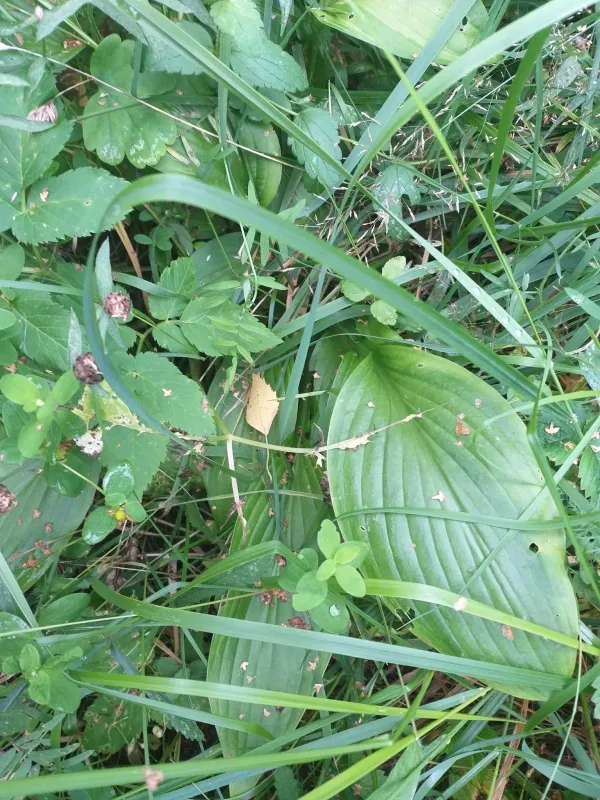
Description
Growing requirements
Hosta undulata, commonly known as the wavy-leaf hosta, is a perennial plant belonging to the Asparagaceae family. Originating from East Asia, specifically Japan and China, this plant has adapted to thrive in temperate forest environments, making it a staple in shade-oriented gardening across the globe.
The plant is defined by its distinctively twisted, wavy-margined leaves that often feature a prominent white or creamy variegation in the center. Growing in dense clumps, it typically reaches a height of 30 to 50 centimeters, with its foliage forming a lush, symmetrical mound that persists throughout the growing season.
In terms of climatic and environmental requirements, Hosta undulata is highly shade-tolerant, making it an excellent choice for areas with filtered light. While it can withstand some morning sun, full afternoon exposure often leads to leaf scorch, significantly reducing the visual appeal of the foliage.
The soil should be rich in organic matter, slightly acidic, and consistently moist but well-drained. Proper agrotechnical management involves regular mulching, which helps to maintain soil moisture and suppress weed growth, as well as providing balanced fertilization during the spring to support vigorous leaf development.
The hosta is primarily utilized for its ornamental value in landscape design. It serves as an excellent ground cover, border plant, or focal point in woodland gardens, being particularly effective when planted in groups to create a textured, multi-layered effect under the canopy of trees.
Main diseases and pests
The most significant pests affecting this species are slugs and snails, which can defoliate the plant by creating unsightly holes in the leaves. Integrated pest management strategies, such as copper barriers or eco-friendly baits, are recommended to protect the integrity of the foliage.
Pathological concerns primarily involve fungal infections resulting from poor drainage or excessive humidity, which lead to crown and root rot. Additionally, Hosta Virus X can cause symptoms such as leaf puckering and color breaks; therefore, sanitation of gardening tools and the selection of disease-free stock are essential practices.