
Hippeastrum striatum
Hippeastrum striatum
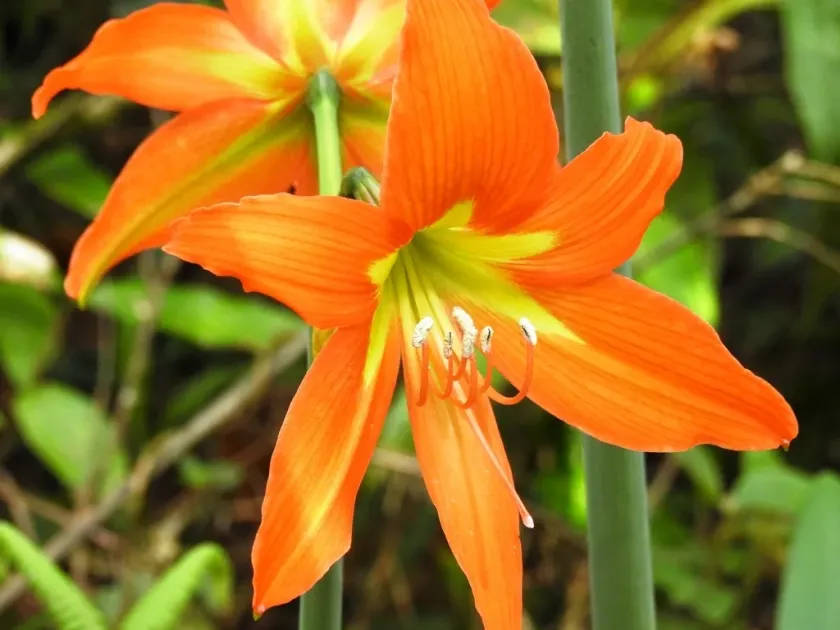
Description
Growing requirements
Hippeastrum striatum is a bulbous perennial belonging to the Amaryllidaceae family. Originating from the tropical regions of Brazil, this plant is well-adapted to warm, humid environments with filtered light.
The cultivation of this species requires a well-draining, nutrient-rich potting medium. The bulb should be planted so that the upper third remains exposed above the soil surface to prevent rot.
Light requirements involve providing bright, indirect sunlight to encourage robust leaf growth and successful blooming. Avoid placing the plant in harsh, direct sunlight to prevent leaf scorch.
Watering practices should be adjusted according to the plant's seasonal cycle. During the growing phase, the soil should be kept consistently moist but not waterlogged, followed by a dry dormant period.
Temperature management is essential for long-term health. During the active growing season, temperatures should stay between 20°C and 25°C, while dormancy requires cooler conditions around 10°C to 12°C.
Main diseases and pests
The most common disease affecting this species is Stagonospora curtisii, commonly known as red blotch. It manifests as red streaks on bulbs and leaves, potentially leading to tissue decay.
Insect pests such as spider mites and mealybugs can cause significant damage. These pests typically thrive in dry indoor conditions and can rapidly weaken the plant by feeding on its sap.
Root rot is a major threat caused by overwatering or poor drainage systems. Once the root system is compromised, the bulb loses its ability to store energy, leading to plant death.
Fungus gnats may occur if the surface of the soil remains constantly wet for long periods. Using proper top-dressing or letting the soil surface dry out slightly can help mitigate this issue.
Regular monitoring of the foliage and bulb base is crucial for early detection of issues. Isolating newly acquired plants helps prevent the spread of diseases or infestations within a collection.