
Hippeastrum calyptratum
Hippeastrum calyptratum
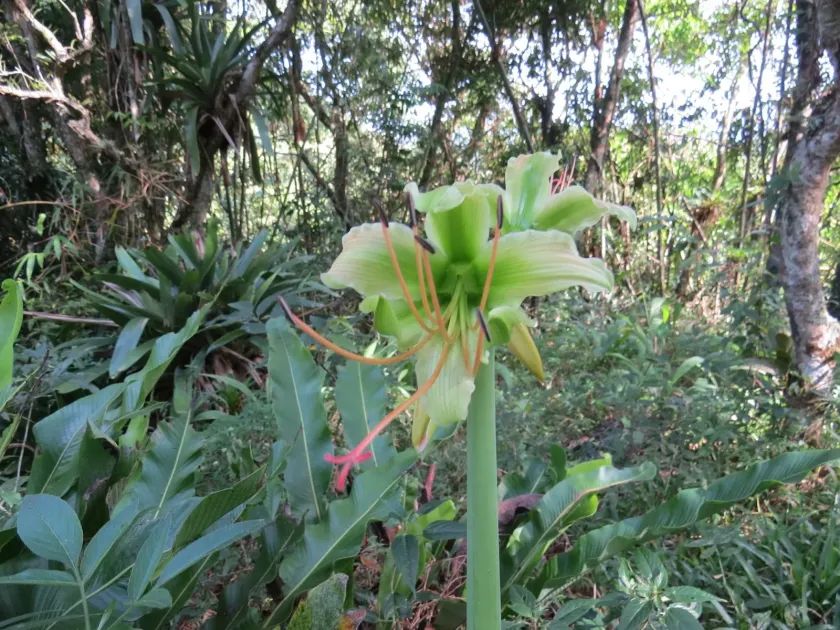
Description
Growing requirements
Hippeastrum calyptratum is a distinct species within the Amaryllidaceae family, renowned for its epiphytic habit. Native to the Atlantic coastal forests of Brazil, it grows on tree trunks rather than in the ground, necessitating specialized horticultural practices.
In a controlled environment, it requires bright but diffused light. Direct exposure to intense solar radiation can cause damage to the foliage, so positioning the plant away from harsh afternoon sun is essential for maintaining plant vigor and aesthetic appeal.
The potting medium must prioritize drainage and aeration. A mixture composed of coarse pine bark, perlite, charcoal, and a small portion of sphagnum moss is ideal to simulate the epiphytic conditions of its native canopy environment.
Temperature management should focus on stability. Hippeastrum calyptratum thrives in moderate temperatures between 20°C and 25°C. Excessive heat or cold stress can disrupt the growth cycle and weaken the bulb’s energy storage for the flowering period.
Watering requirements are unique due to the plant's epiphytic biology. It prefers frequent light moisture rather than deep soil saturation. The roots need oxygen as much as moisture, so the container must have multiple drainage holes to prevent anaerobic conditions.
Main diseases and pests
Root rot caused by fungal pathogens is the most significant threat to this species. Stagnant water around the bulb base rapidly destroys the root system, often leading to irreversible damage before the symptoms become visible on the leaves.
Spider mites represent the primary pest challenge, especially in indoor environments with lower humidity levels. These pests feed on cell sap, causing fine stippling and eventual yellowing of the leaves if left untreated by regular moisture management.
Mealybugs are frequently found hiding in the tight crevices where the leaves attach to the bulb. Their presence can severely drain the plant's resources; manual removal or systemic insecticides are required to effectively eradicate a spreading infestation.
Stagonospora curtisii, commonly known as "red blotch," is a persistent fungal infection that attacks bulbs and leaves. Keeping the foliage dry and ensuring excellent air circulation around the plant are the most effective preventive measures against this disease.
Insects such as aphids may occasionally congregate on new, tender growth. While they are less frequent than mites, they can act as vectors for viruses that are catastrophic for Amaryllidaceae species, making early identification and intervention vital.